
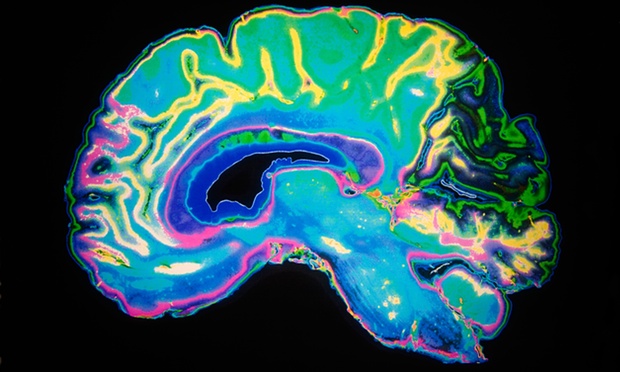
Parts of the brain once thought to be primarily devoted to processing vision can be recruited by blind children as young as five to process speech, a study has found. The work could have implications for neurologists’ understanding of “plasticity”, or how the brain adapts to experience. Researchers used functional magnetic resonance imaging, or fMRI, scanners to study brain activity in congenitally blind and sighted children as stories were read to them and music played. The children – all of whom were English-speaking – were asked to play a “Does this come next?” game as scientists played audio recordings of stories and instrumental music.
They heard either a 20-second clip of music, a story in an unfamiliar language or a story in English. The children were then asked to say whether a follow-up three-second clip was a correct continuation of the story or music they had heard. The…