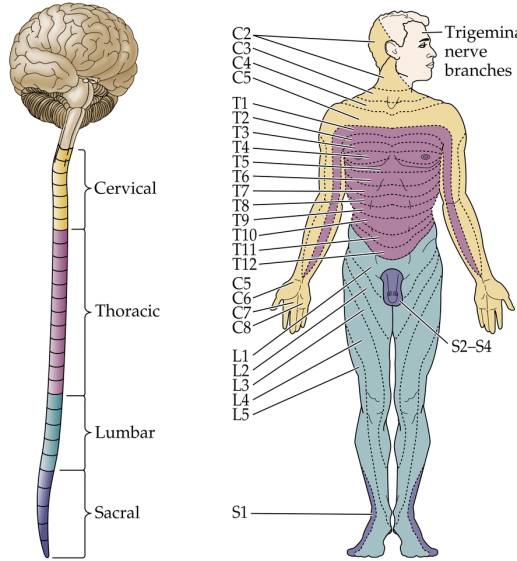
Body image is built up by reception of visual impressions, skin sensation, joint position, pressure distributed through and received by skin, joints and muscles, information received via the semicircular canals, impressions of muscle tension and muscle length and contact of one part of the body with another to establish relationships. Thus, some of the assessment already made with will assist the therapist to assess the patient’s body image.
Other methods include the naming of different parts of the body, aligning them differently and asking the patient to realign them; distributing the patient’s body weight differently and asking him to redistribute it; putting a ‘bendy toy’ into a position similar to that of the patient and asking him if this is similar to his position and then changing the ‘bendy toy’ to another posture and asking for a comparison is yet another approach. Source: …