
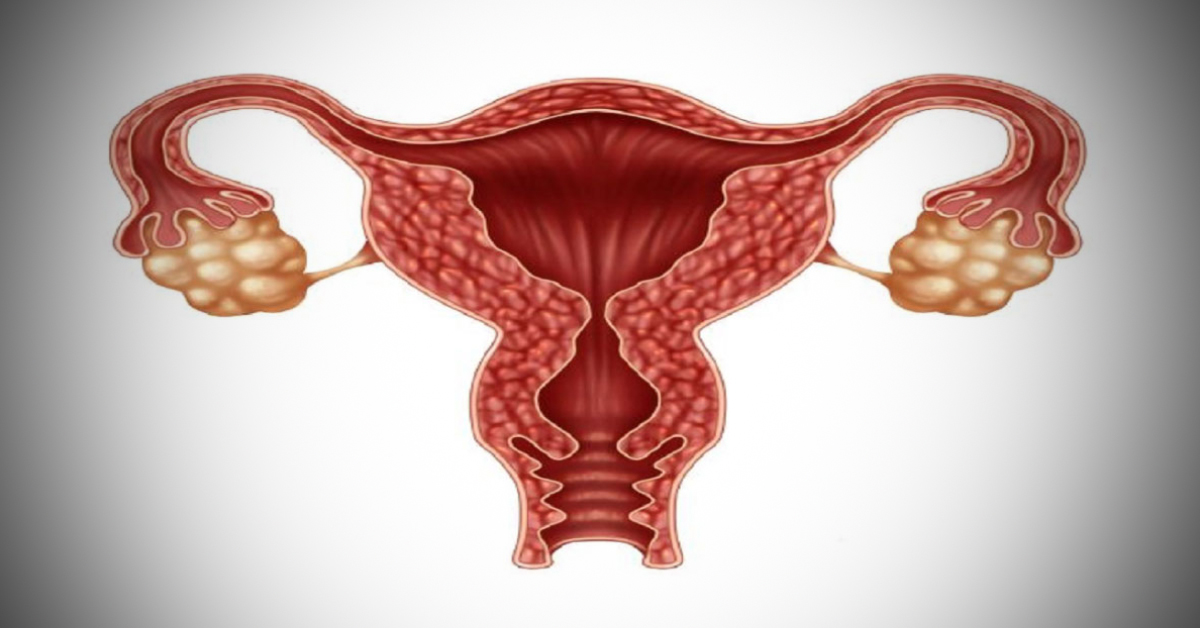
Polycystic ovary syndrome (PCOS) is one of the major challenges today, because of its complexity, its progression aspect and the consequences it entails for women's lives. It affects approximately 6% to 8% of women during the reproductive years.
PCOS is not characterized only by the association of hyperandrogenism and chronic anovulation, but also involves disorders of carbohydrate metabolism, with a focus on insulin resistance and increased risk of developing diabetes. The latter is higher with increases in weight and ultimately the appearance of obesity, leading to dyslipidemia, metabolic syndrome and increased possibility of malignancies such as endometrial carcinoma In general, even the therapy employed does not address the cause, but ameliorates the effects or complications associated with the disease including: menstrual dysfunction hyperandrogenism infertility metabolic changes…