
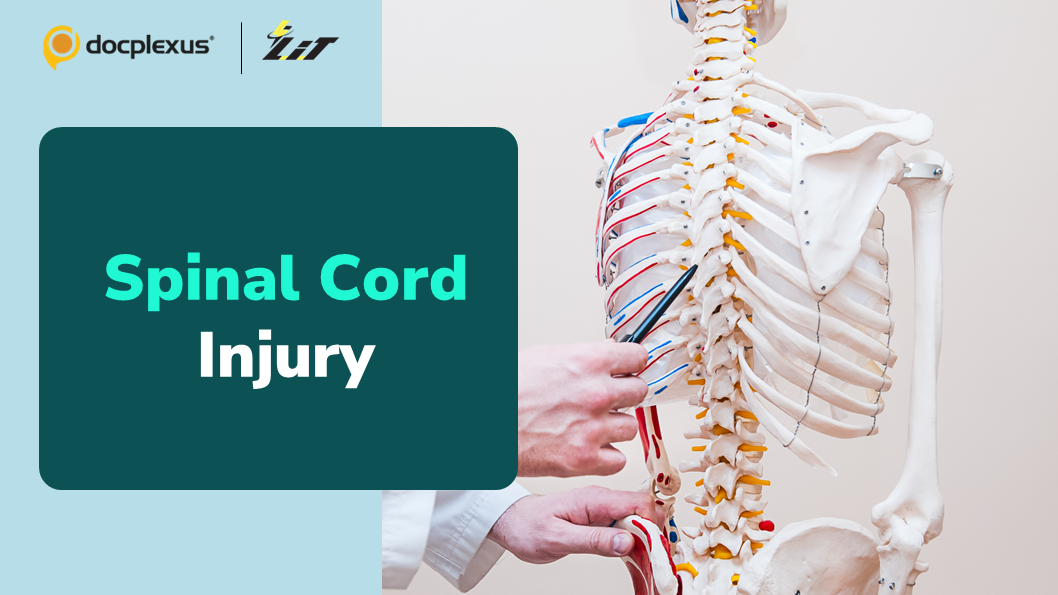
Spinal cord injuries commonly occur due to traumatic injuries such as vertebral fractures or nontraumatic causes like infections and vascular damage and can even lead to paralysis. Researchers at Columbia University have developed a nerve stimulation therapy that targets the nervous system connections spared by injury. The technique, known as spinal cord associative plasticity (SCAP), has shown promising results in rats with moderate spinal cord injuries. The novelty of this study lies in the fact that it targets the arm and hand and pairs brain and spinal cord stimulation.
Rats that received SCAP targeted to their arms were significantly better at handling food and had near-normal reflexes than those in the control group. The paired signals of the therapy were found to mimic the normal sensory-motor integration that is essential to come together to perform a skilled movement. This…


