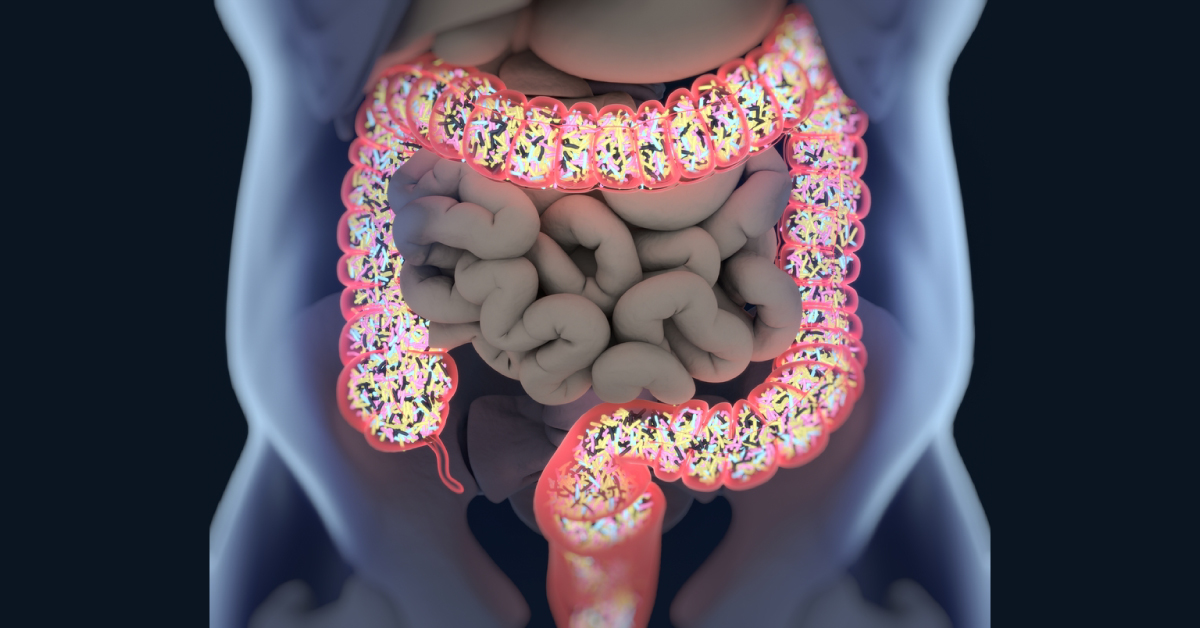
The risk factors of Colorectal cancer (CRC) ranges from inflammatory bowel disease to genetic predisposition. Recently a research group has validated the link between bacterial infection and a high degree of the occurrence of CRC. This article describes how bacterial pathogenesis can lead to severe consequences of carcinogenesis in the colon. Colorectal cancer (CRC) is the third most common cancer in the world. Approximately 95% of CRC are adenocarcinomas.
The condition has typical symptoms of rectal bleeding, abdominal discomfort, fatigue, weight loss and others. Chronic inflammation in the colon or familial history of adenomatous polyposis is significant and well-established driving factors for the development of CRC. However, it was not clearly validated whether pathogenic infection can be a contributing factor to CRC. A new research that has been published in PLoS Pathogens…