
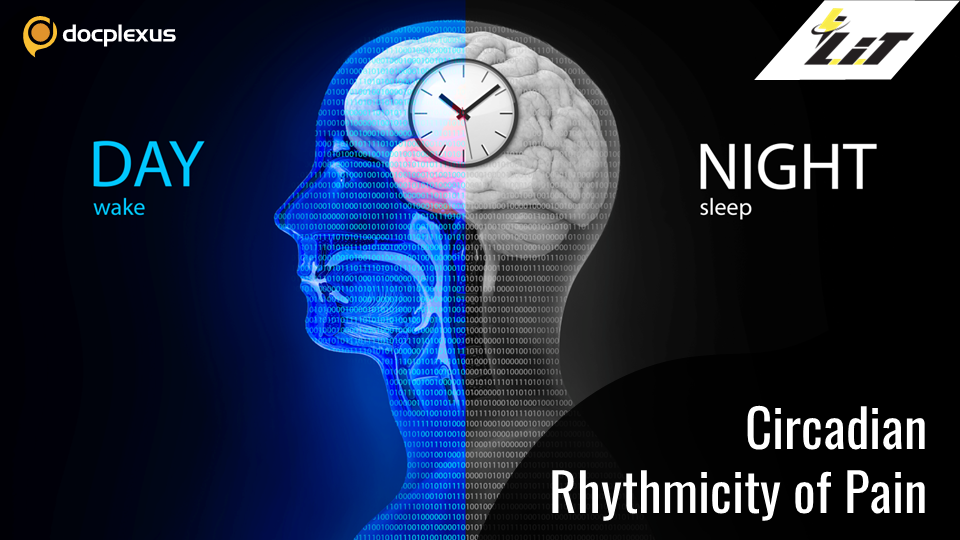
Despite the availability of considerable literature on how the circadian rhythm affects various physiologic functions of the human body, its implication in regulating pain sensitivity remains poorly understood. Using a strict laboratory constant-routine protocol, scientists from Paris have shown that pain sensitivity is indeed rhythmic over 24 hours a day and strongly regulated by the endogenous circadian system. Study design 12 volunteers were tested for pain sensitivity every two hours for 34 hours. The pain was evoked by gradually raising the temperature of a device taped to the participant’s body until they felt pain.
The circadian rhythm was measured by assessing melatonin levels in the saliva samples of the volunteers. Study findings Pain sensitivity exhibits a sinusoidal model; it is the weakest between 3 and 4 AM and strongest between 3 and 4 PM. The circadian system impacts…


