docplexus
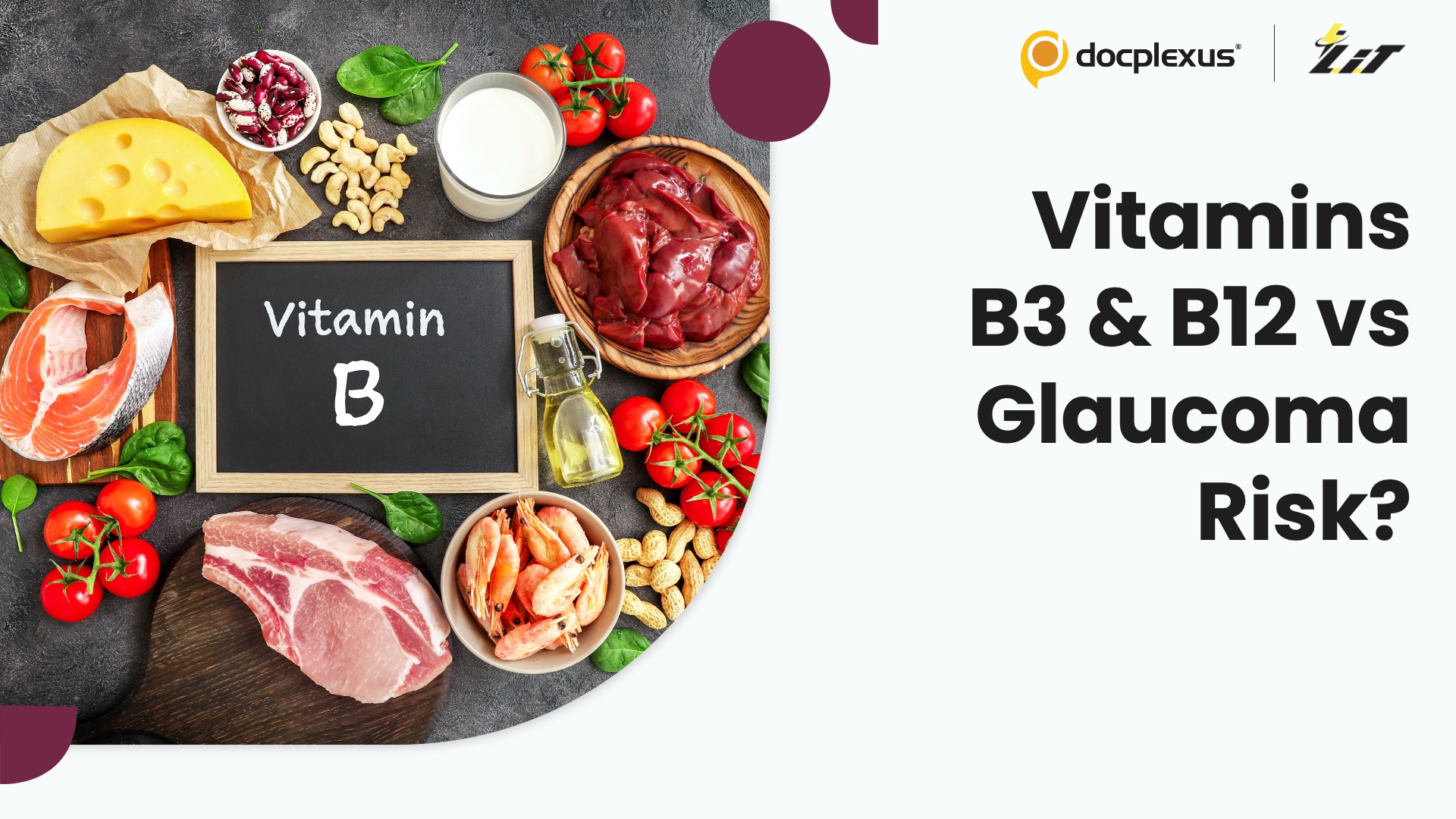
Growing evidence suggests that B-vitamins may play a role in glaucoma prevention through neuroprotective effects, vascular support, and regulation of homocysteine metabolism. However, data linking dietary B-vitamin intake with incident open-angle glaucoma (iOAG) remain limited. Researchers therefore evaluated the association between dietary B-vitamin intake and the risk of iOAG, intraocular pressure (IOP), and retinal structural changes.
Among 6,742 participants free of glaucoma at baseline (mean age, 62.4 years), 162 developed iOAG during follow-up. Dietary intake of niacin (vitamin B3) was associated with a lower risk of iOAG (OR, 0.94 per mg/day), while cobalamin (vitamin B12) intake also showed a protective association (OR, 0.90 per µg/day). Participants in the highest niacin intake group (23.27 mg/day) had significantly lower iOAG risk (OR, 0.43), and a similar reduction was…