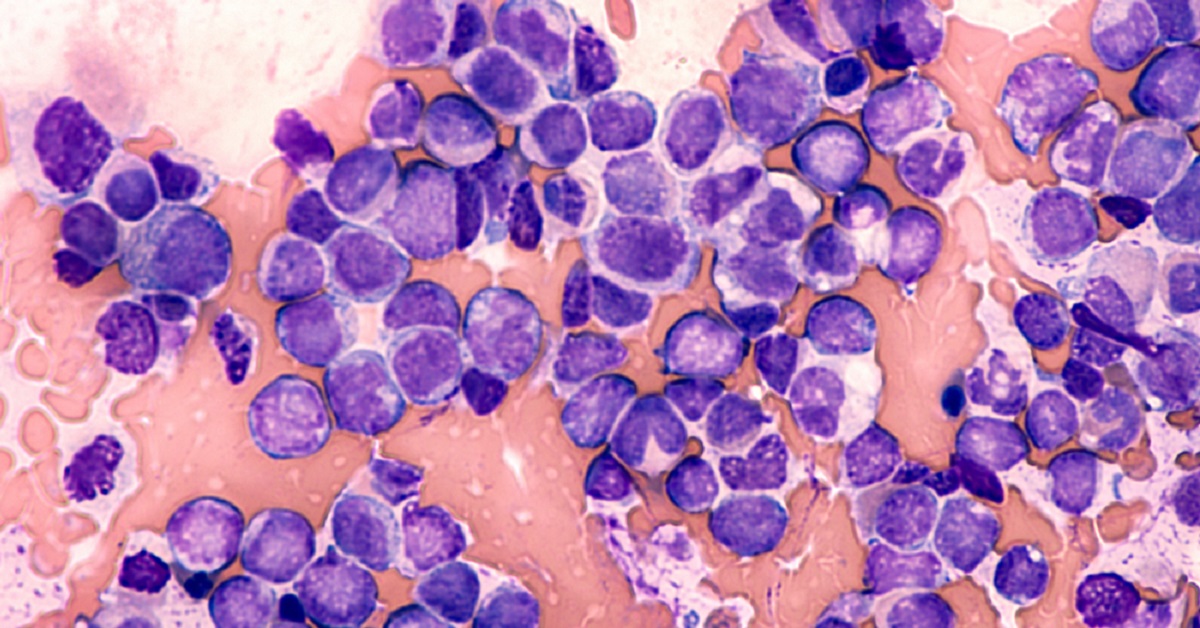
Acute Lymphoblastic Leukemia (ALL) in children is a type of cancer wherein the bone marrow cells make too many immature lymphocytes, as is termed as a cancer of the blood and bone marrow. Currently, the treatment involves chemotherapy and has different stages like induction (killing 99.9% of about 100 billion of these leukemia cells during the 1-month), consolidation (intensive 1- to 2-month program to kill the remaining 100 million leukemia cells), and maintenance (about 2 years of chemotherapy to destroy the remaining cancer cells). Children with ALL are typically divided into standard-risk, high-risk, or very high-risk groups to make sure that the correct types and doses of drugs are given.
Treatment may be more or less intense, depending on the risk group. In this respect a new study presented at 2017 American Society of Clinical Oncology (ASCO) Annual Meeting, Chimeric antigen…