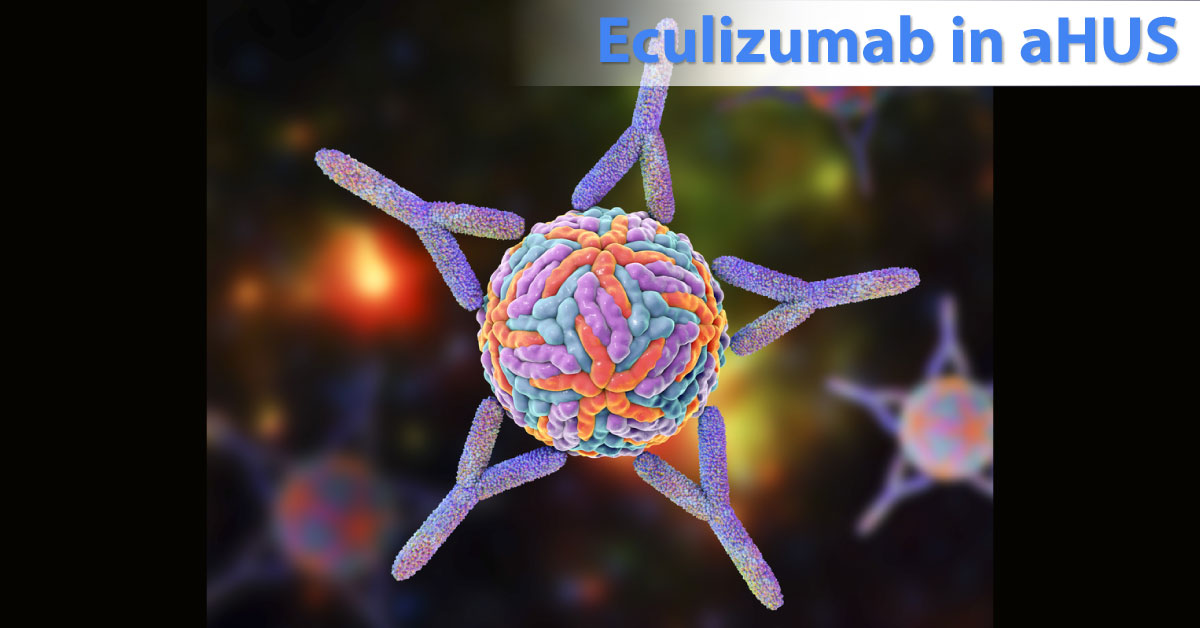
Atypical hemolytic uremic syndrome (aHUS) is a rare life-threatening disease that primarily occurs in children from 1 to 10 years of age, as compared with adults. This article provides an insight into the use of eculizumab in a patient with aHUS and the challenges faced in India. Atypical hemolytic uremic syndrome (aHUS) of infancy is a rare disorder that is associated with thrombotic microangiopathy and acute renal failure. However, it is a disorder of complement regulation which protects our cells and tissues from inappropriate damage.
aHUS can be inherited, acquired or both, and they result in chronic uncontrolled activation of the complement system. The genetic studies have shown that mutations were identified in complement regulated genes such as complement factor H (CFH), membrane cofactor protein (MCP), complement factor I (CFI), C3, and CFH-related 5 (CFHR5). The plasma infusion…