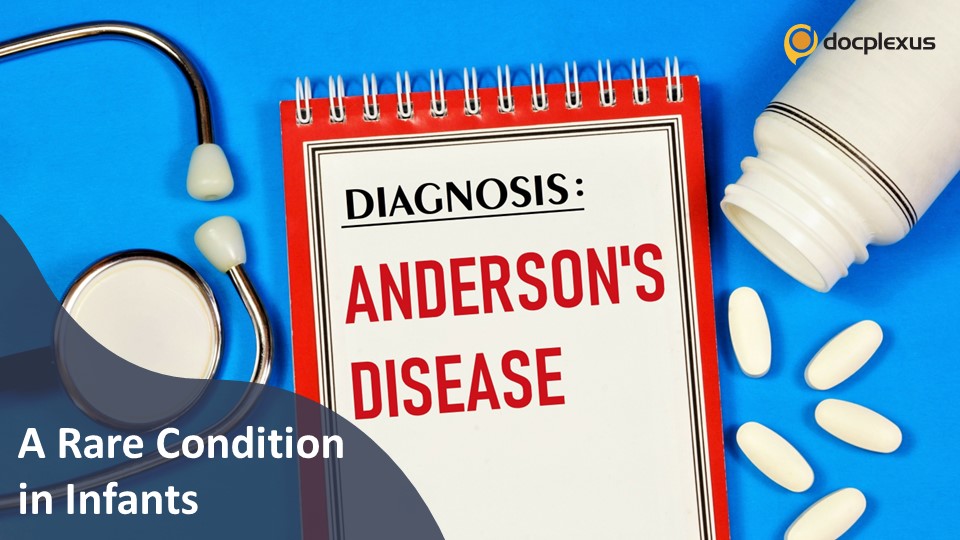
Chylomicron retention disease (CRD), also known as Anderson’s disease, is a rare inherited recessive disorder caused due to mutations in the Secretion Associated Ras Related GTPase 1B, i.e., the SAR1B gene, encoding the SAR1B protein. The diagnosis of CRD is often delayed due to nonspecific symptoms like digestive symptoms, which are more common at the beginning of life. The diagnosis of familial hypocholesterolemia should be considered when failure to thrive (FTT) results from steatorrhea, chronic diarrhea, and hypocholesterolemia.
Etiology Sar1b protein is responsible for transferring chylomicrons from the endoplasmic reticulum to the Golgi apparatus, causing accumulation of the pre-chylomicrons transport vesicles in the enterocytes. CRD poses a challenge to the pediatrician due to its nonspecific symptoms and inadequate evidence for its management and follow-up. ##Symptoms## …