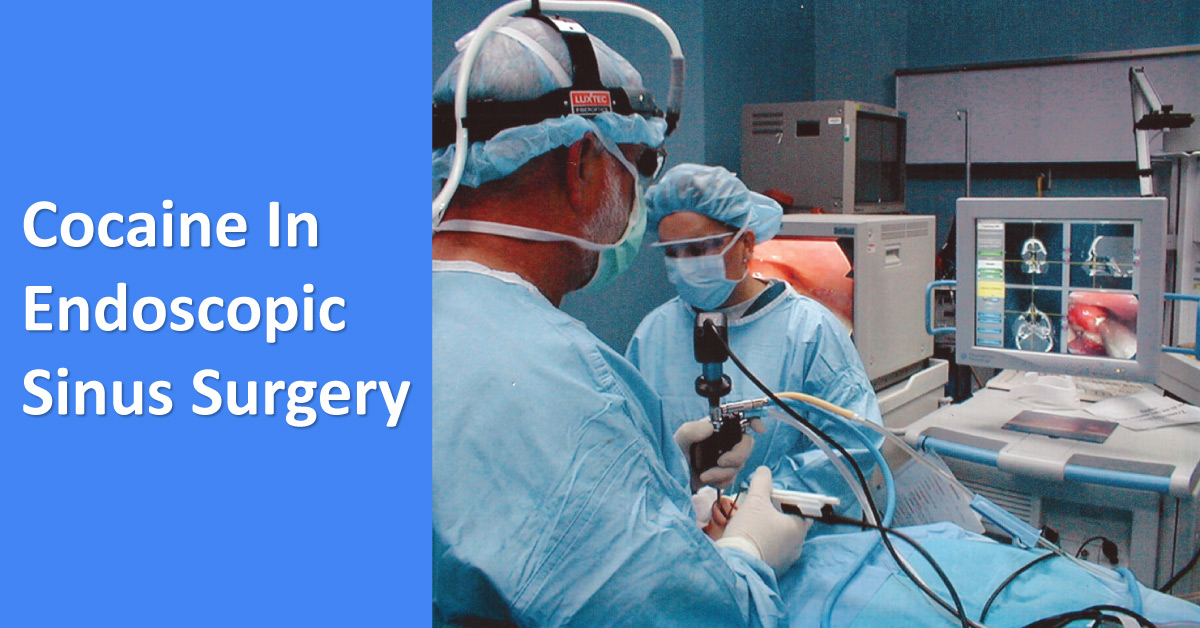
Topical cocaine has been the agent of choice for controlling intraoperative haemorrhage during endoscopic sinus surgeries because of its dual local anaesthetic and vasoconstrictive properties. However, it is surprising that the clinical use of cocaine is based on untested clinical practice rather than rigorous scientific evidence. In recent years, the safety of cocaine in endoscopic sinus surgery has been questioned due to occasional case reports of cardiac adverse events.
A maximal safe dose of 200 mg or 1.5 mg/kg to 3 mg/kg, of intranasal cocaine is widely published; however, this value is largely based on historical anecdote and untested clinical practice rather than rigorous scientific evidence. Researchers have given following recommendations for surgeons by analyzing the existing literature for safety and adverse events profile of cocaine in sinus surgeries. Best Practice…