
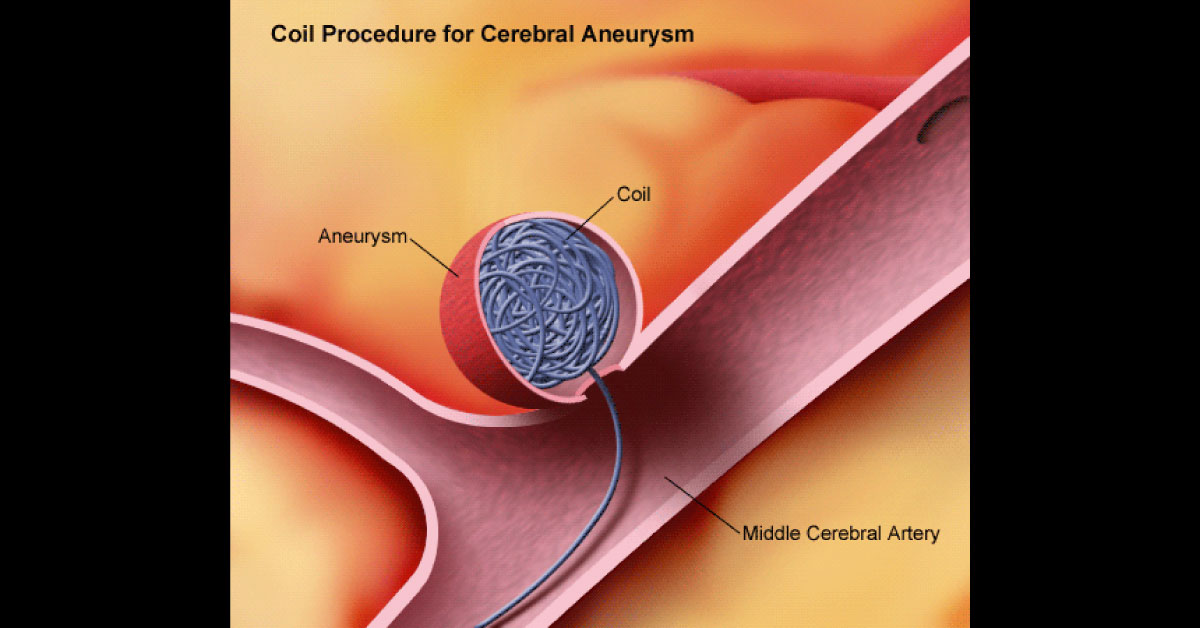
This guideline is based on the safety and efficacy of coil embolization of ruptured intracranial aneurysms and appears adequate to support the use of the procedure, provided that normal arrangements are in place for consent, audit and clinical governance. The procedure should only be performed in specialist units with expertise in the endovascular treatment of intracranial aneurysms. Clear arrangements should be in place for the involvement of different clinical disciplines in treatment and follow-up. Patients with subarachnoid hemorrhage should have rapid access to appropriate specialist care.
Intracranial aneurysms are small balloon-like dilated portions of blood vessels that may occasionally rupture, causing hemorrhage, stroke or death. Usually, the cause is unknown but people with genetic causes of weak blood vessels are more likely to develop aneurysms. Rupture of intracranial…