
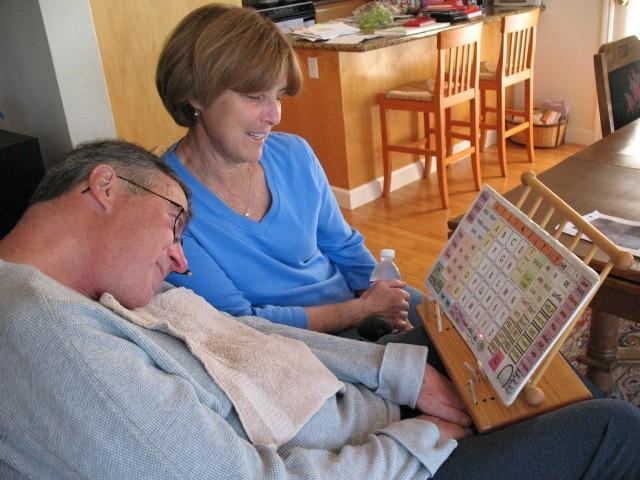
People with amyotrophic lateral sclerosis (ALS) experience a motor speech disorder, such as dysarthria, as the disease progresses. At some point, 80 to 95% of people with ALS are unable to meet their daily communication needs using natural speech. Unfortunately, once intelligibility begins to decrease, speech performance often deteriorates so rapidly that there is little time to implement an appropriate augmentative and alternative communication (AAC) intervention; therefore, appropriate timing of referral for AAC assessment and intervention continues to be a most important clinical decision-making issue.
Communication support involves a range of augmentative and alternative communication (AAC) strategies involving low- and high-technology (speech generating device) options. Clinical decision-making related to communication is quite complex as screening, referral, assessment,…