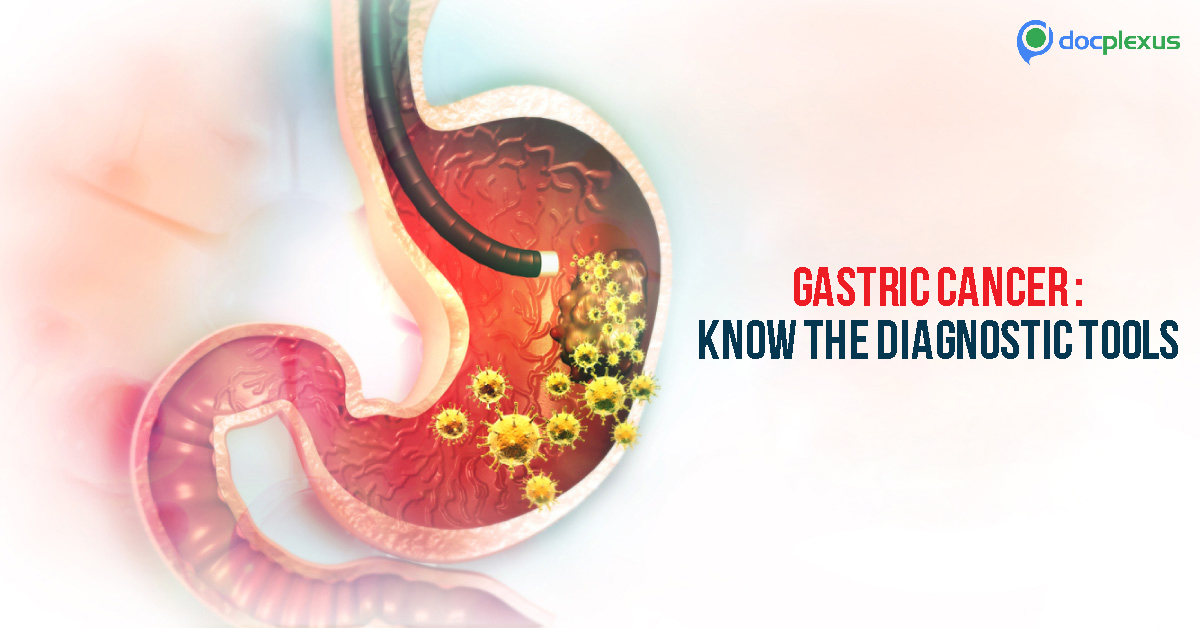
Gastric cancer is a malignancy of the inner lining of the stomach. It is the 5th most commonly diagnosed cancers and the 2nd most common cause of cancer-related deaths worldwide. Various studies have indicated that early diagnosis of gastric cancer helps in reducing the disease burden and also in achieving improved therapeutic outcomes. The aim of the present article is to provide a brief overview of the currently practiced diagnostic methodologies for the management of gastric cancer.
In general, patients with early-stage gastric cancer are asymptomatic. In the advanced stages of gastric cancer, patients generally present with weight loss, abdominal pain, nausea and vomiting, early satiety, ascites, and blood in the stool. In such cases, timely diagnosis and treatment may save a patient from the ultimate fatal consequences of cancer. Commonly Used Diagnostic Investigations The…