
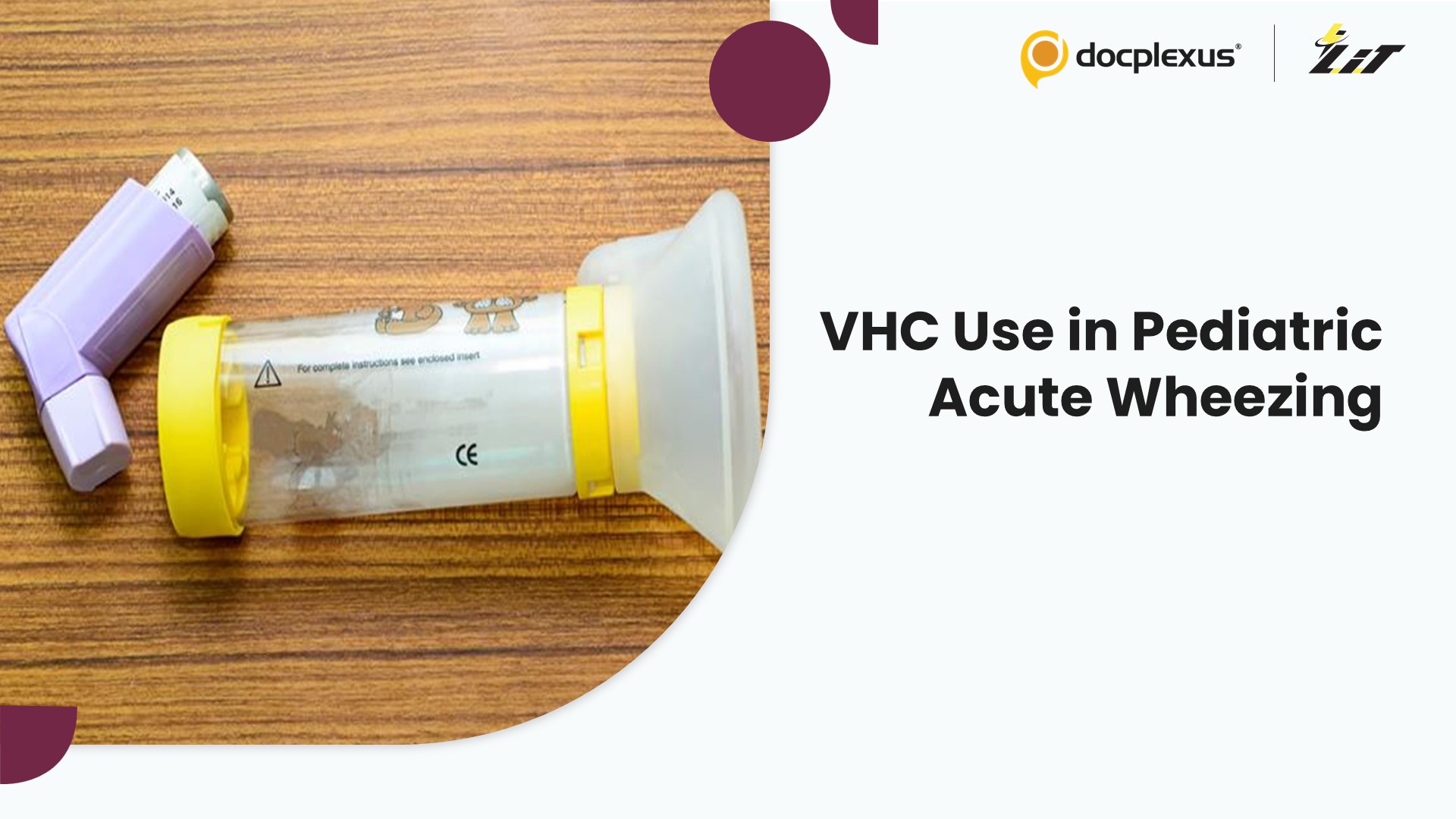
Acute wheezing is a common cause of pediatric emergency visits, and while valved holding chambers (VHCs) used for inhalation therapy vary in drug delivery, their clinical impact in young children remains unclear. To address this, a study evaluated whether a higher-delivery VHC improves clinical outcomes of salbutamol treatment compared with a lower-delivery VHC in 80 young children with acute wheezing. The study found that children treated with the higher-delivery VHC-1 (high in vitro drug delivery) had significantly lower posttreatment (respiratory distress assessment instrument [RDAI] score (2.7 vs 6.8; mean difference −4.1) and greater reduction in scores (mean difference −5.4) compared with VHC-2 (low in vitro drug delivery).
Hospitalization rates were lower with VHC-1 (20% vs 50%), along with reduced need for a fourth salbutamol dose (relative ratio (RR) 0.72). Additionally, VHC-1…