
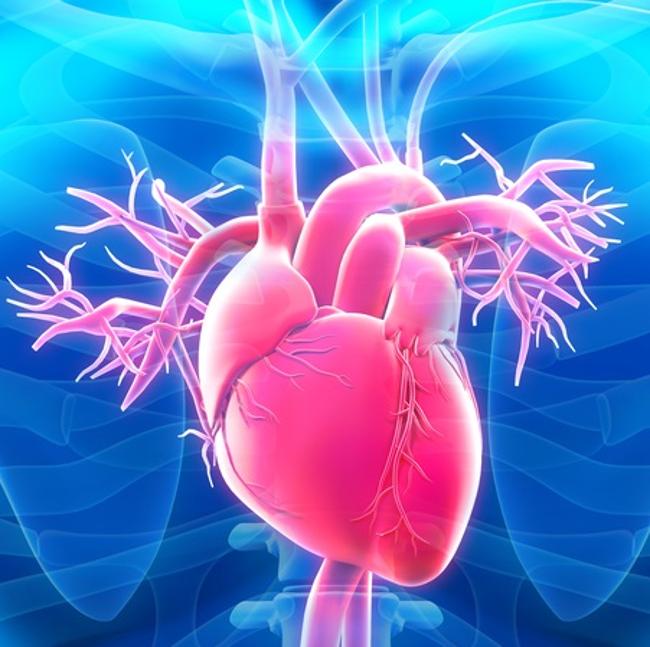
Epicardial fat plays a role in cardiovascular diseases because of its anatomic and functional proximity to the myocardium and its intense metabolic activity. However, some interactions between the heart and its visceral fat depot have been suggested. Epicardial fat thickness is generally identified as the echo free space between the outer wall of the myocardium and the visceral layer of pericardium. It is measured perpendicularly on the free wall of the right ventricle at end-systole.
Epicardial fat is the true visceral fat depot of the heart. In the adult human heart, epicardial fat is commonly found in the atrioventricular and interventricular grooves. As the amount of epicardial fat increases, it progressively fills the space between the ventricles, sometimes covering the entire epicardial surface.Echocardiographic epicardial fat thickness clearly reflects visceral adiposity rather…