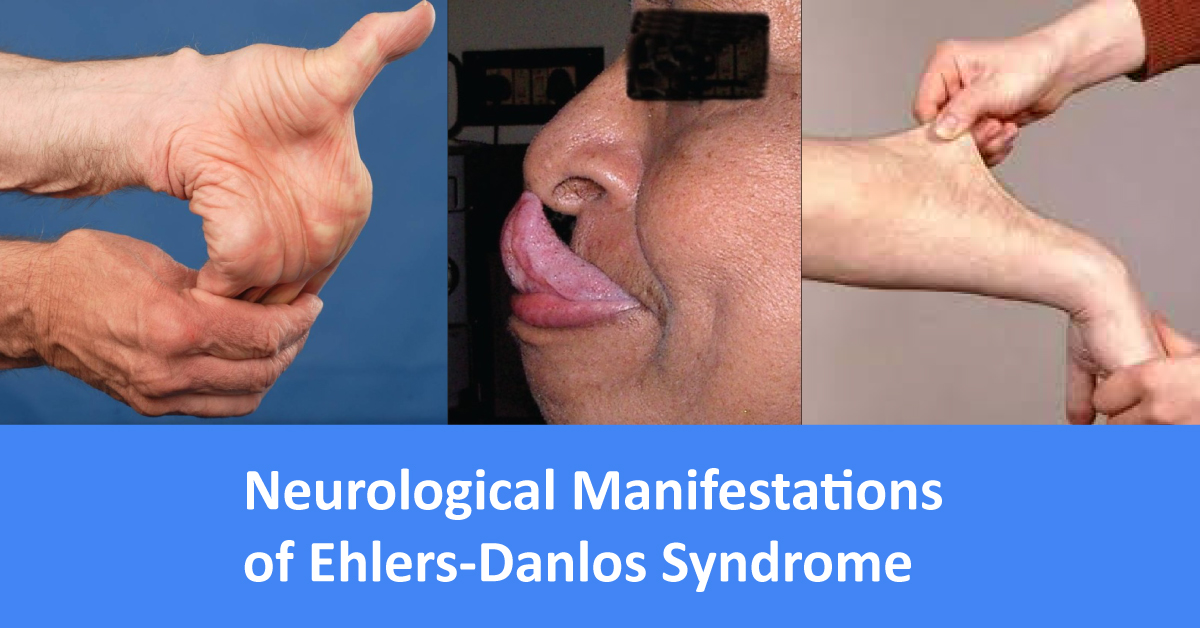
Ehlers-Danlos syndrome (EDS) includes a number of heritable connective tissue disorders that mainly affect joint hypermobility, dermal dysplasia with abnormal skin texture and repair, and variable range of the hollow organ and vascular dysfunctions. The clinical evaluation and correct interpretation of the manifestations are essential for a neurologist to decide the line of treatment. Ehlers-Danlos syndrome describes the group of relatively rare genetic disorders of connective tissue.
The overall incidence of the Ehlers-Danlos syndromes is 1 in 5000, with EDS hypermobility type being by far the most common and some types being quite rare. The disorders are distinguished from one another and can often be diagnosed based on the family history and clinical criteria, including the degree and nature of involvement of skin, joints, skeleton, and vasculature. Ehlers-Danlos syndrome…