
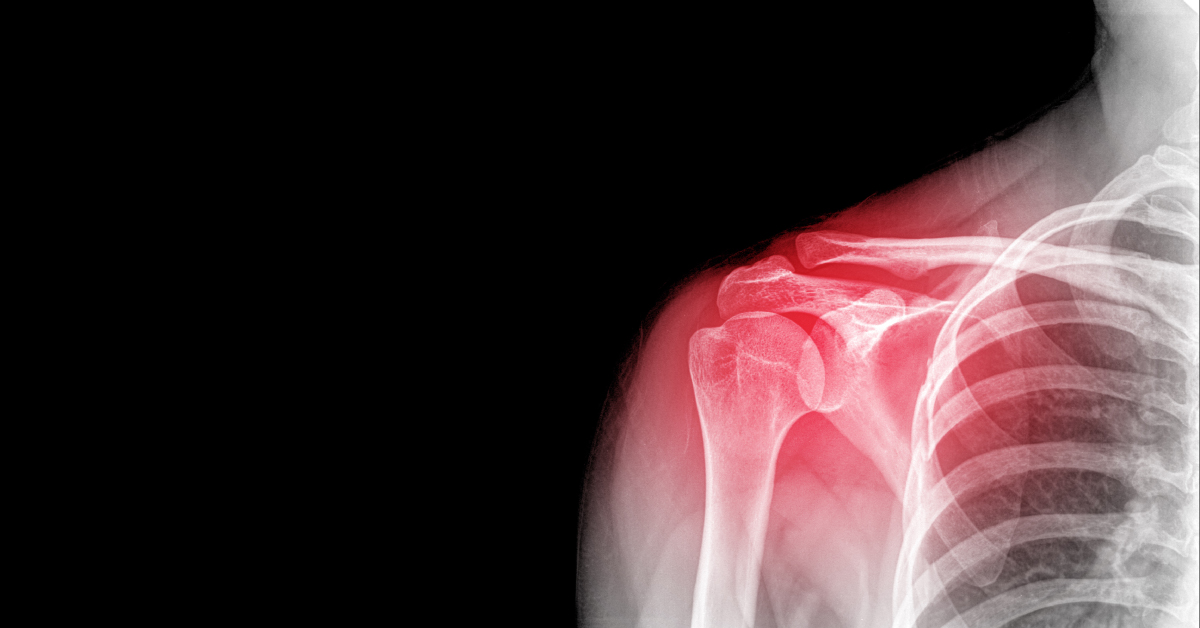
Proximal humerus fractures are common injuries, especially among older osteoporotic women. In the vast majority of cases, proximal humerus fractures may be treated nonoperatively. This article outlines the relevant anatomy and highlights evaluation methods for proximal fractures. Proximal humerus fractures are commonly encountered fractures in general orthopedic practices. Treatment should focus on maximizing a patient's functional outcome and minimizing pain.
Understanding the functional anatomy of the proximal humerus as it relates to fracture is paramount to achieving these goals. Anatomy The glenohumeral joint is the most mobile joint in the body, resulting from a series of complex interactions among bone, muscle, and soft tissue forces. An appreciation for this anatomy enables the surgeon to effectively restore function in the setting of fracture. The proximal humerus includes the…