
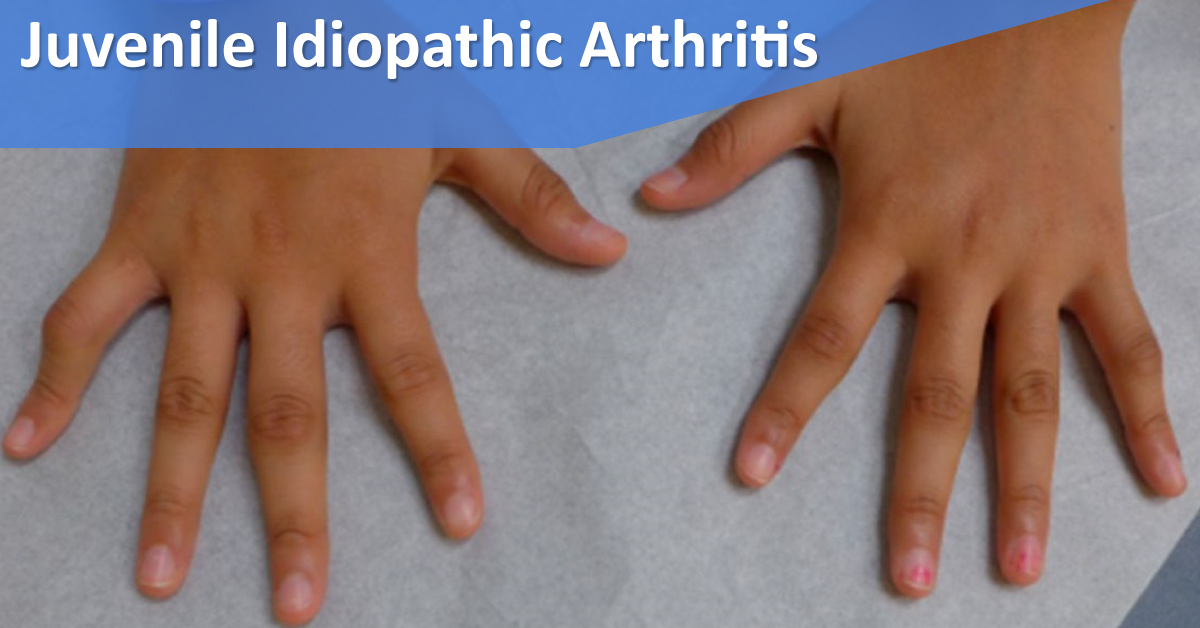
Juvenile idiopathic arthritis is a heterogeneous group of diseases characterized by arthritis of unknown origin. Robust research in the past 5 years has led to a significant progress in various areas, regarding disease characterization and management. This article discusses new developments that have been instrumental for better identification, diagnosis, and treatment of patients with juvenile idiopathic arthritis. Juvenile idiopathic arthritis (JIA) is the most common rheumatic disease in childhood, affecting more than 300,000 children.
Although children with JIA have better responses to therapies, their musculoskeletal structure- that is continually growing and changing- require special care in administering injectable therapies. JIA, particularly the oligoarticular type, develops in girls at twice the rate of boys. It mostly involves inflammation of multiple joints which disturbs…