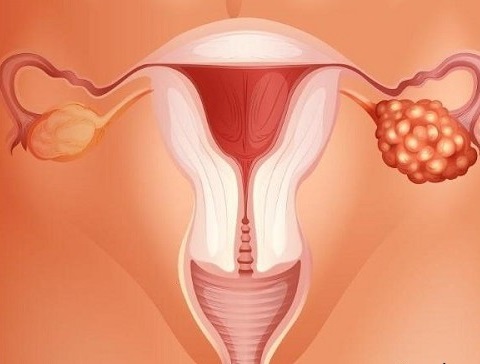
Gestational trophoblastic disease (GTD) represents a group of tumours arising from the trophoblastic tissue of the placenta. It comprises a spectrum of clinical entities ranging from non-invasive molar pregnancy to metastatic gestational trophoblastic neoplasm, and can follow any type of pregnancy. A gestational trophoblastic disease is a group of rare tumours that involve abnormal growth of cells inside a woman's uterus. GTD does not develop from cells of the uterus like cervical cancer or endometrial (uterine lining) cancer do.
Instead, these tumours start in the cells that would normally develop into the placenta during pregnancy. GTD begins in the layer of cells called the trophoblast that normally surrounds an embryo. In time, the trophoblast layer develops into the placenta, the organ that protects and nourishes the growing fetus. Gestational trophoblastic disease, classification…