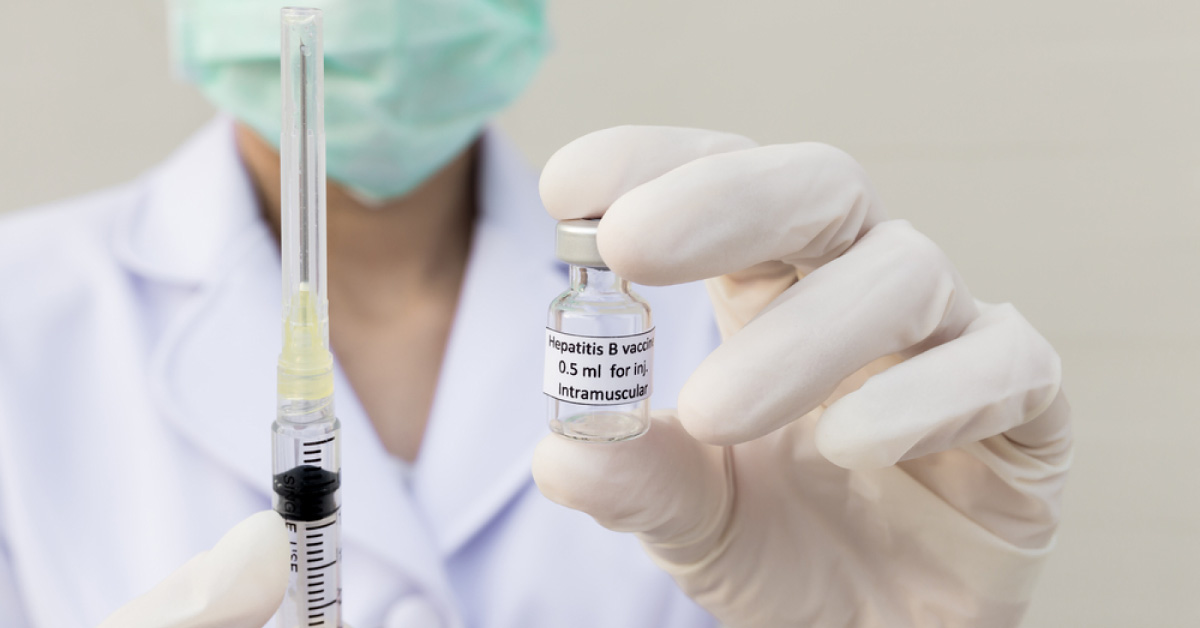
The prevalence of HBsAg among the health care workers in Indian studies has ranged from 1 to 10%. Needle stick exposures involving blood from an infected patient with high levels of viral replication (HBeAg positive or high HBV-DNA levels) tend to result in HBV infections occurring in approximately 60% of cases, whereas when the infection in the source is not actively replicating (HBeAg negative or low HBV-DNA levels), the figure falls to approximately 30%. In addition to the size of the inoculum, features of the needle itself, hollow or solid, appear to be important factors influencing the risk of viral transmission.
The degree of invasiveness of the procedure performed. Other minor factors include glove failure, skin lesions, long duration of the operation, and the use of blood products. Although in the majority of cases there may be no identifiable causes for surgical outbreaks, the…