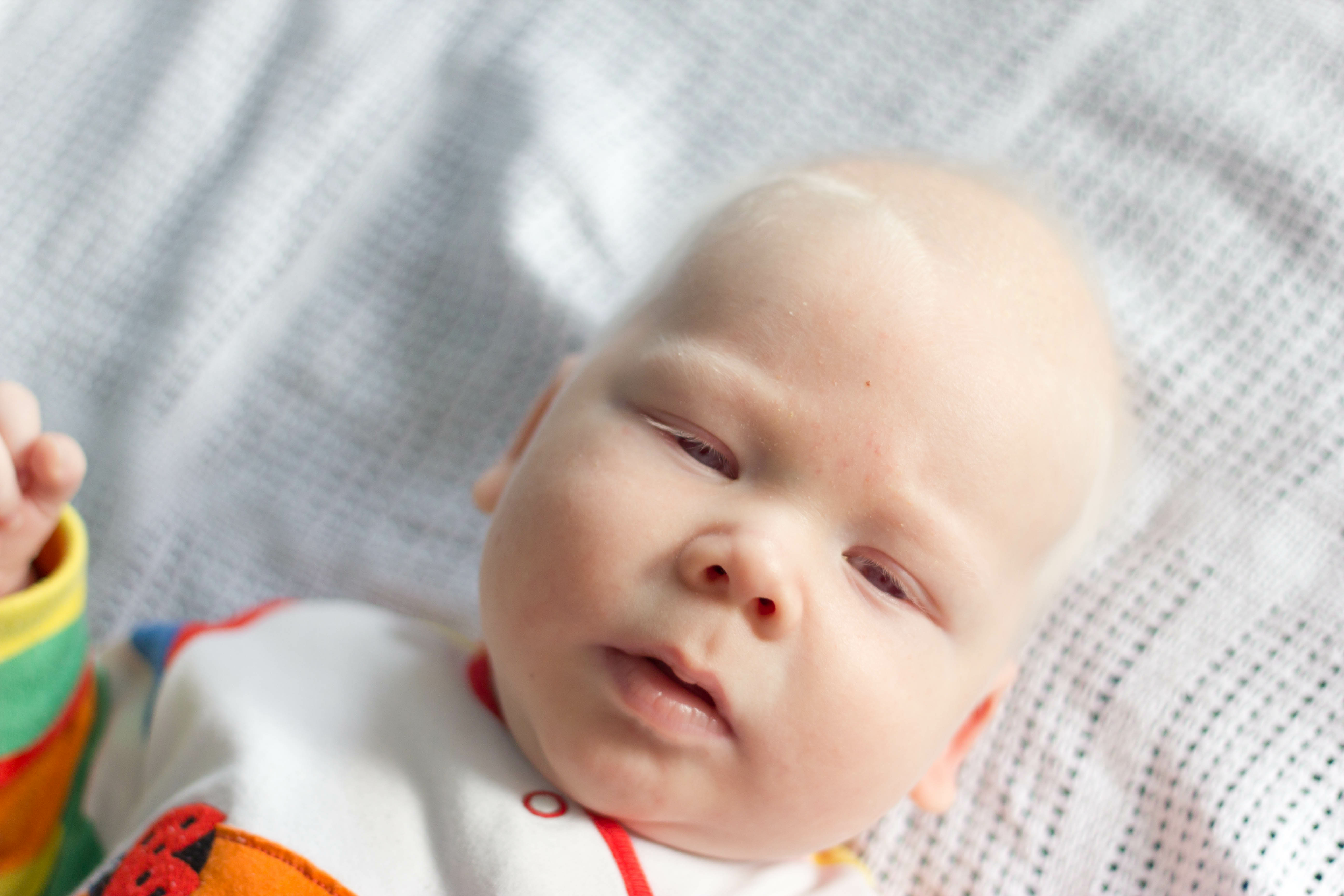
Hermansky-Pudlak Syndrome (HPS), also known as oculocutaneous albinism, is a rare condition closely mimicking albinism. It commonly manifests as decreased pigmentation of the skin and hair and vision impairment. Some patients may present with bleeding secondary to abnormal platelet function and complications like pulmonary fibrosis, colitis, and abnormal storage of ceroid lipofuscin. Causes HPS is an autosomal recessive genetic disease caused by mutations in one of the following genes: HPS1, AP3B1, HPS3, HPS4, HPS5, HPS6, DTNBP1, BLOC1S3, PLDN, and AP3D1 .
The mutation results in impaired formation and/or movement of lysosome-like vesicles , affecting the pathways determining pigmentation of skin and hair. The occurrence of this condition can be predicted using genetic analysis. A child whose both parents are carriers will have 25% chances of active mutation and phenotype, 50% chances…