
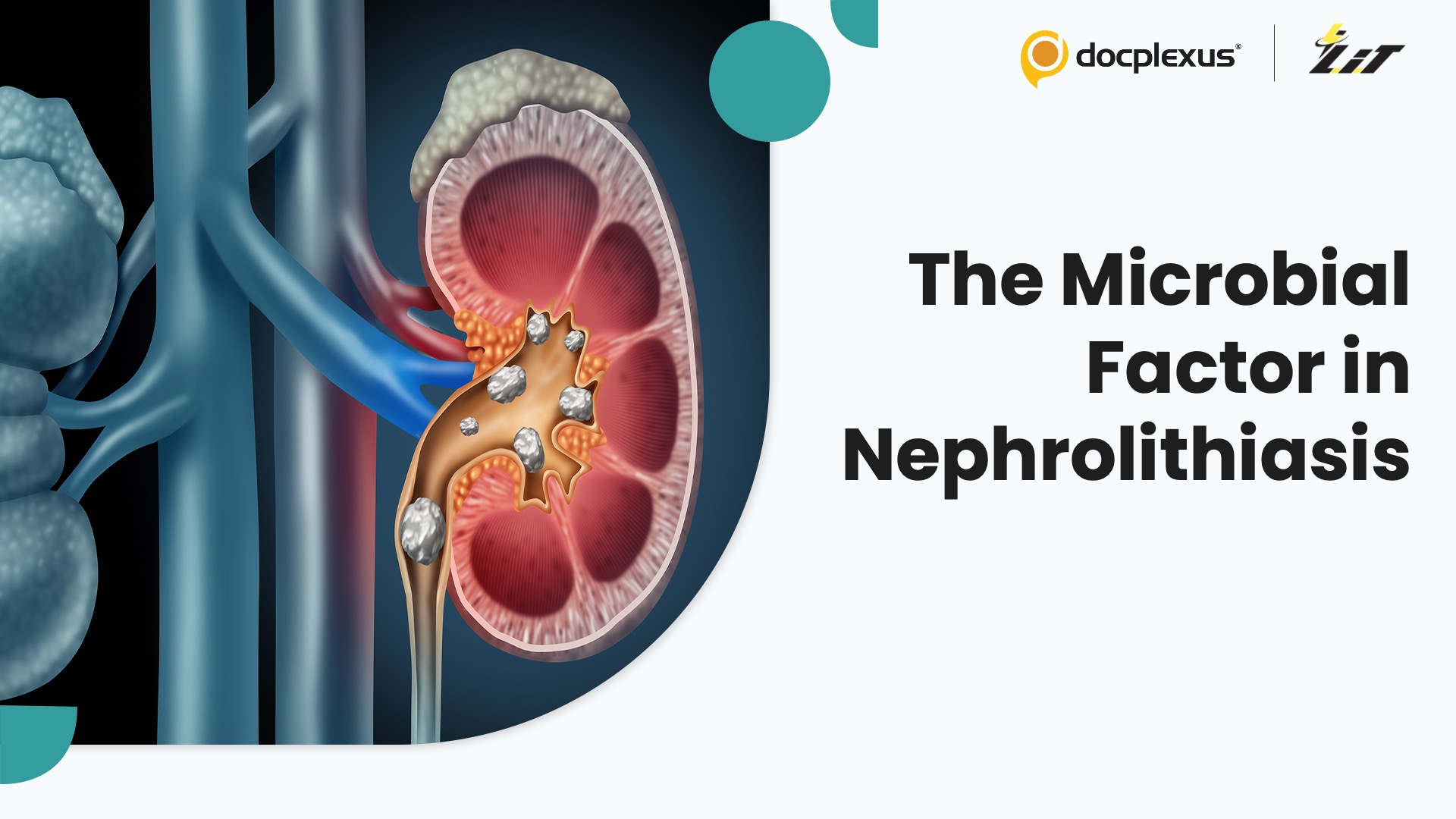
A recent study published in the Proceedings of the National Academy of Sciences of the United States of America challenges the long-standing view that calcium oxalate (CaOx) kidney stones are purely metabolic and noninfectious. While struvite stones are clearly infection-related, CaOx stones, the most common subtype, have traditionally been considered abiotic. Using advanced microscopy, biofilm staining, and sequencing techniques, investigators identified bacterial biofilms embedded within the internal layers of CaOx stones, even in patients with negative urine cultures.
DNA-rich extracellular matrices were integrated into the mineral architecture, suggesting that these stones may form as structured biocomposites rather than simple crystalline aggregates. The authors propose that bacterial extracellular DNA can bind calcium and serve as a nucleation scaffold, promoting crystal…


