
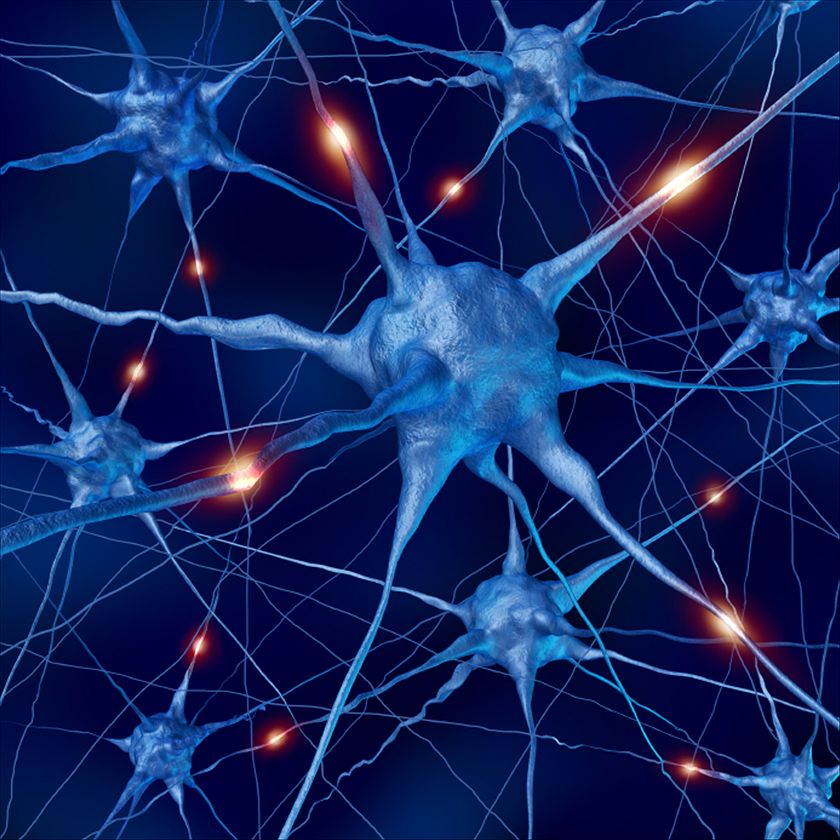
A computer model of a network of neurons shows that a sudden breakdown in the network's ability to transmit information mimics the brain wave changes that accompany anesthesia. Entering anesthesia, the mind seems to shut down abruptly and then later re-emerge from the blackness with equal swiftness. A new theoretical model suggests that these changes may result from a sudden, global change in the ability of the network of neurons to transmit information. The model can reproduce the changes in electrical activity (“brain waves”) seen with anesthetized patients.
The researchers say that their theory could provide a simple foundation for understanding how the brain acquires its conscious cognitive functions. Researchers don't understand how the activity of individual, interlinked neurons leads to the overall effect of anesthesia. Yan Xu and colleagues at the University of Pittsburgh…