
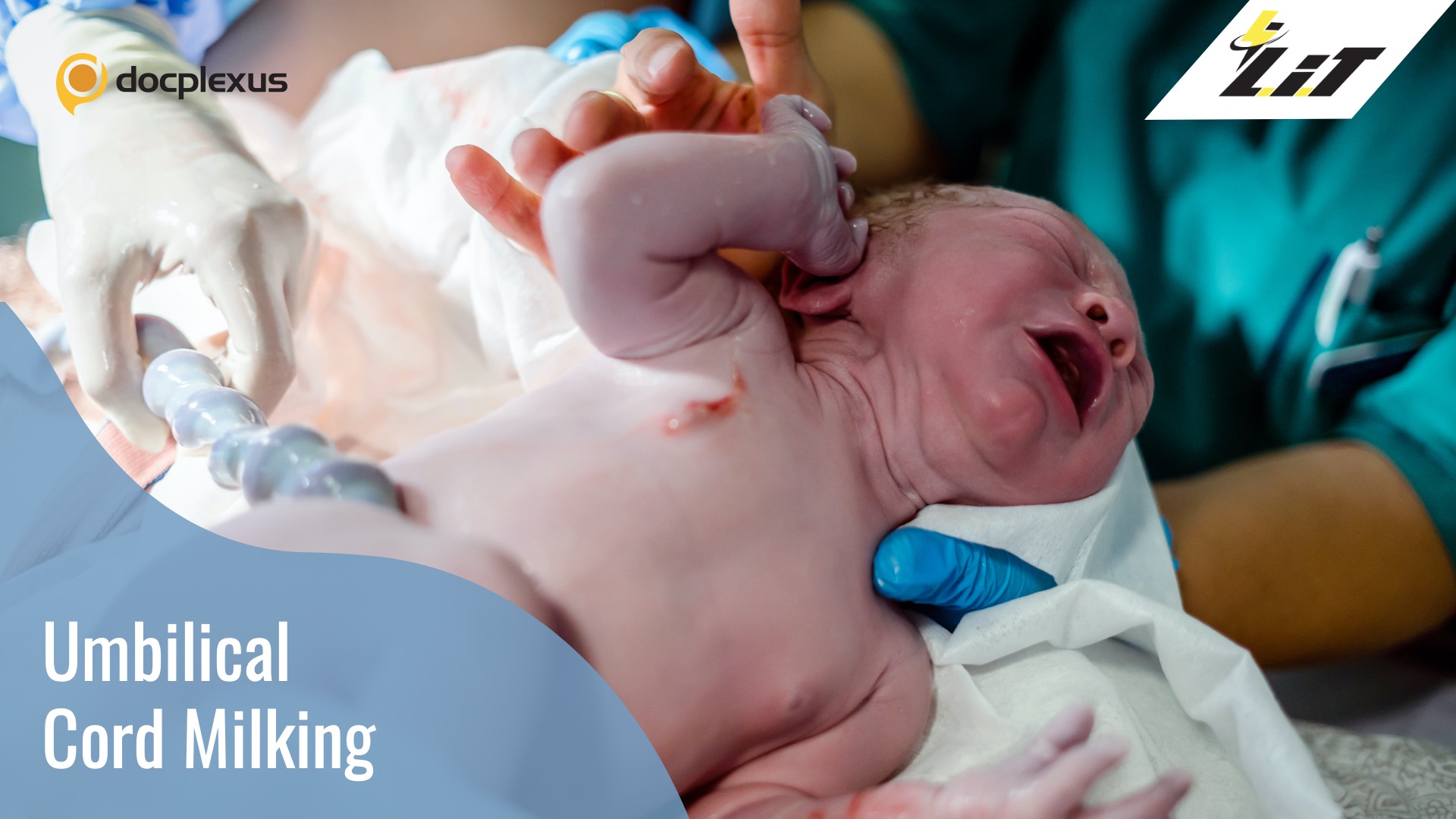
Standard practice for non-vigorous infants is to immediately clamp and cut the umbilical cord to allow rapid resuscitation; however, this could deprive them of the needed blood and worsen the outcome. In addition, delayed cord clamping in nonvigorous newborns may not be performed because of the immediate resuscitation requirement. Therefore, umbilical cord milking (UCM) seems to be an alternative, as it can be performed more quickly than delayed cord clamping and confer similar benefits.
A recent study compared the outcomes of UCM and early cord clamping (ECC) in nonvigorous newborns between 35 and 42 weeks of gestation. Of 16,234 newborns, 872 were subjected to UCM, and 858 were subjected to ECC. Findings (UCM vs ECC) UCM induced higher hemoglobin levels (mean difference 0.68 g/dL) UCM reduced Odds of abnormal 1-minute Apgar scores ( 30% vs 34%) Need for cardiorespiratory support at…


