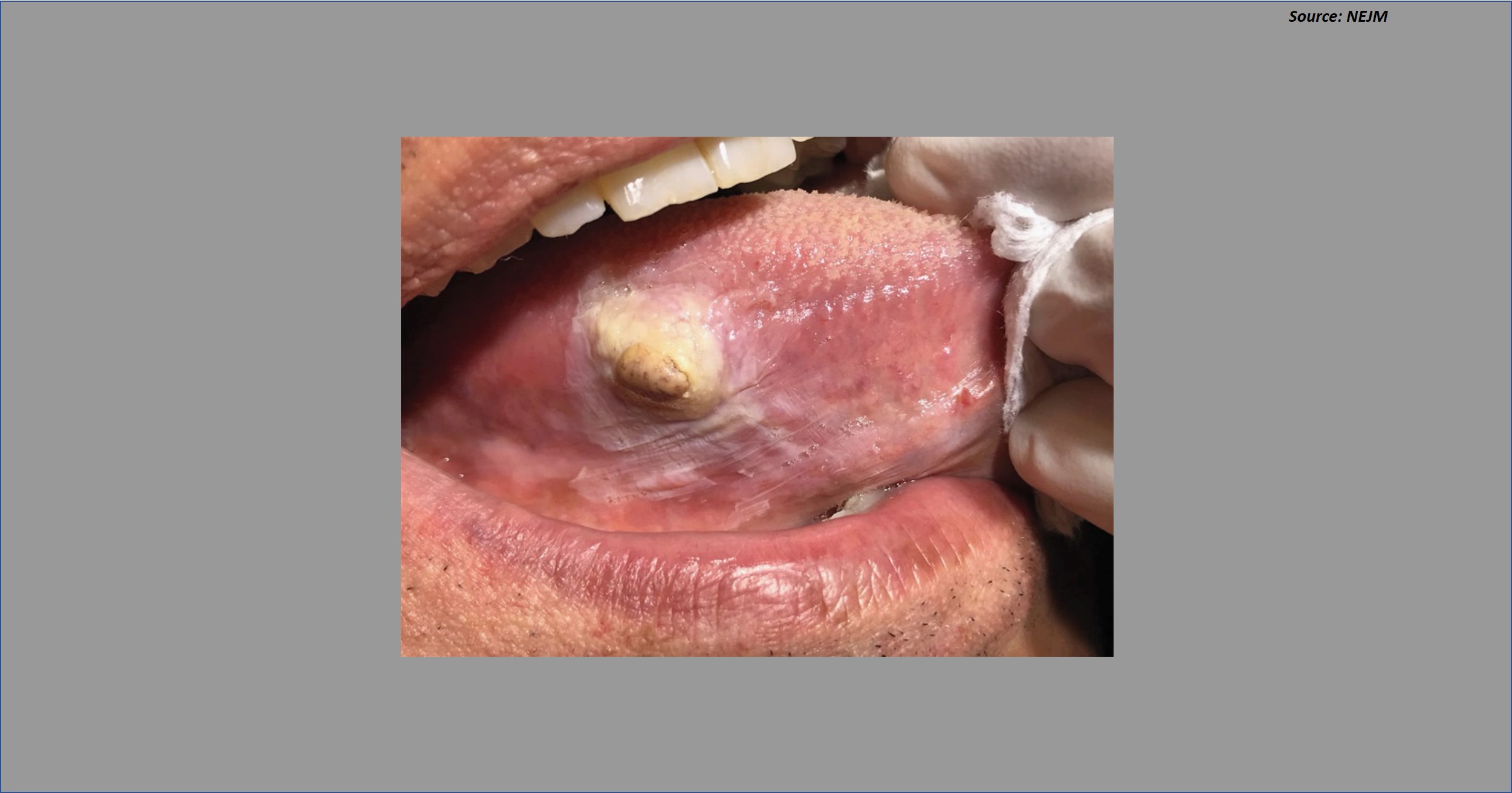
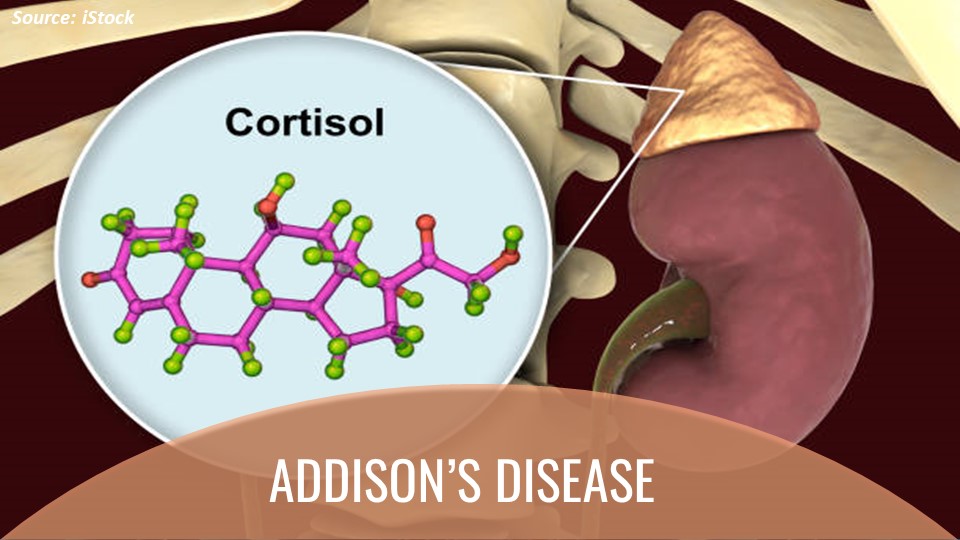
Addison’s disease is an acquired primary adrenal insufficiency that can present as a gradual or acute life-threatening condition. It is a rare endocrinal disorder caused by autoimmune destruction of the adrenal cortex due to increased levels of 21-hydroxylase antibodies. Other causative factors include infections like tuberculosis, sepsis, and HIV; adrenal hemorrhages, amyloidosis, sarcoidosis, lymphoma, and drugs like ketoconazole.
The bilateral destruction of the adrenal cortex results in a deficiency of glucocorticoids, mineralocorticoids, androgens, and aldosterone, which disturbs the electrolyte and hormonal balance in the body. Various oral and systemic manifestations include: o Hyperpigmentation o Fatigue, loss of appetite o Weight loss, weakness o Hypotension o Electrolyte imbalance - hyponatremia, hyperkalemia, occasional hypoglycemia o Gastrointestinal…