
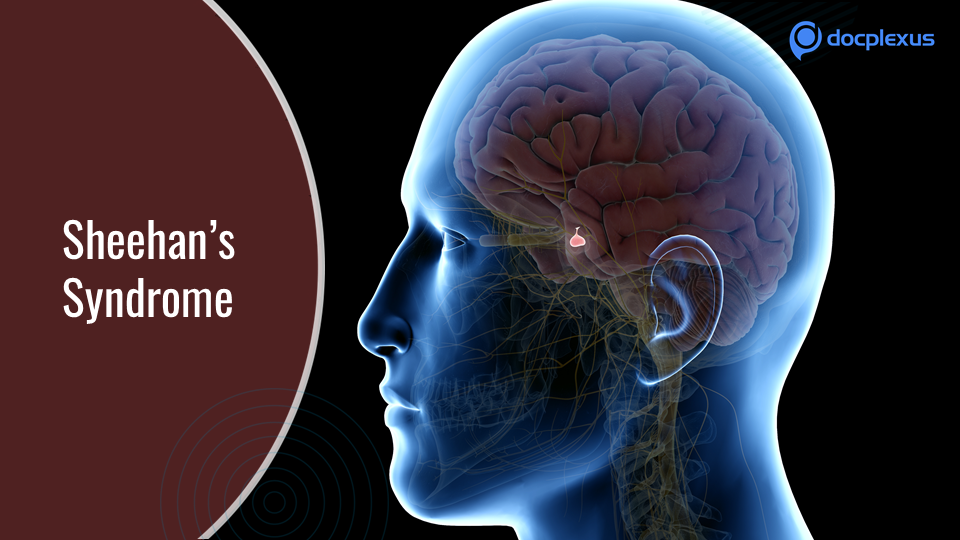
Sheehan’s syndrome (SS) is described as a pituitary insufficiency, primarily witnessed in tropical regions like India. It has been mainly associated with post-partum hemorrhages that go unattended at-home deliveries and lead to necrosis of the gland and deficiency of pituitary hormones. In addition, during pregnancy, the size of the pituitary gland increases beyond the sellar compartment in the brain, rendering it susceptible to ischemia. SS may have an acute, subacute, or chronic presentation. Acute cases may turn catastrophic immediately post-partum and add to high mortality rates; however, a chronic case may present with a lag phase of 7-19 years before the clinical manifestation.
Which of the following features are associated with Sheehan’s syndrome? A. Mutations in Coagulation factor V and VII B. Anti-pituitary (APA) and anti-hypothalamus antibodies (AHA) C. Hypernatremia D.…