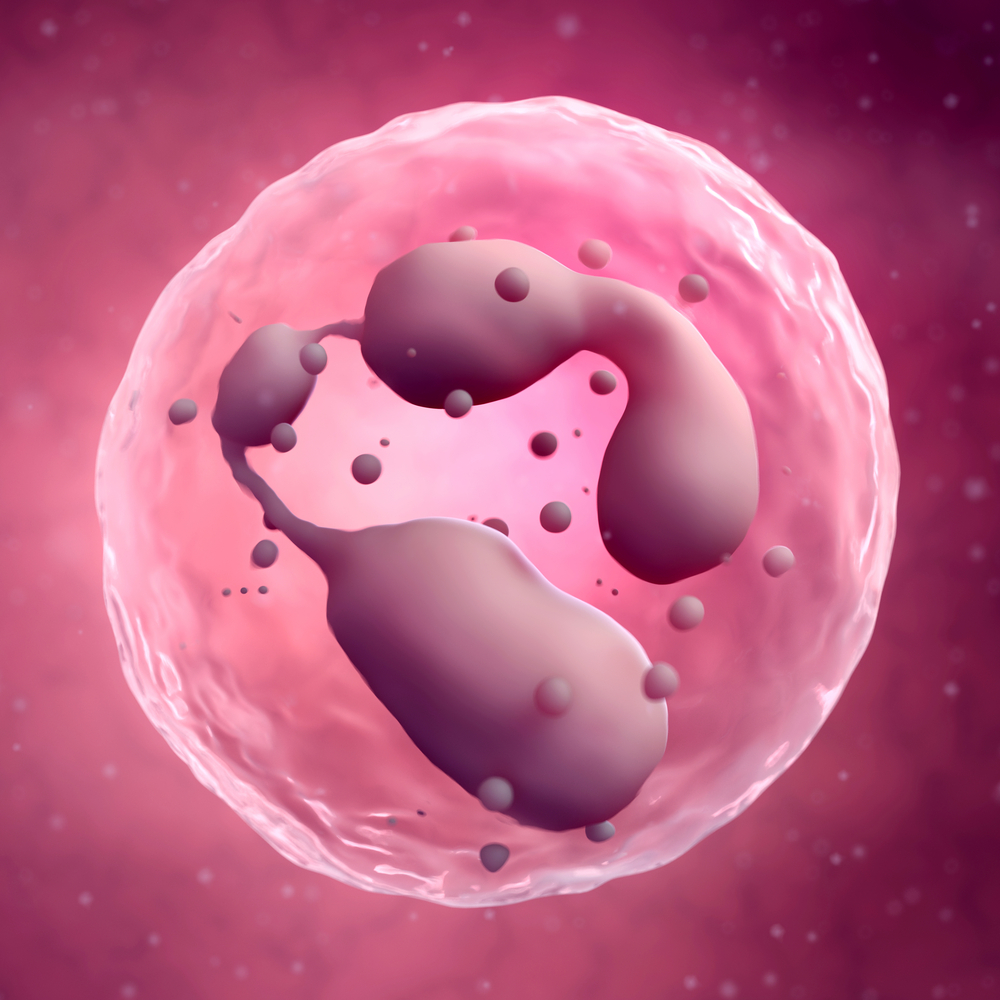
An absolute neutrophil count encompasses a wide range of diagnoses, from normal variants to life-threatening acquired and congenital disorders. Neutropenia can lead to infection, typically from bacterial organisms. This article will focus on some of the infectious agents responsible for the neutropenias.
Neutropenia can be caused by infection with microorganisms.Different mechanisms, infection of hematopoietic precursor cells, infection of endothelial cells, increased neutrophil adherence to endothelium, development of antineutrophil antibodies etc are mostly associated with infection.However, the functional consequences depend on largely, but not exclusively, on the severity of neutropenia.Most of the cases of neutropenia are acquired due to decreased granulocyte production or increased destruction. Acquired neutropenia mostly results from immunologic mechanisms. Clinical relevance…