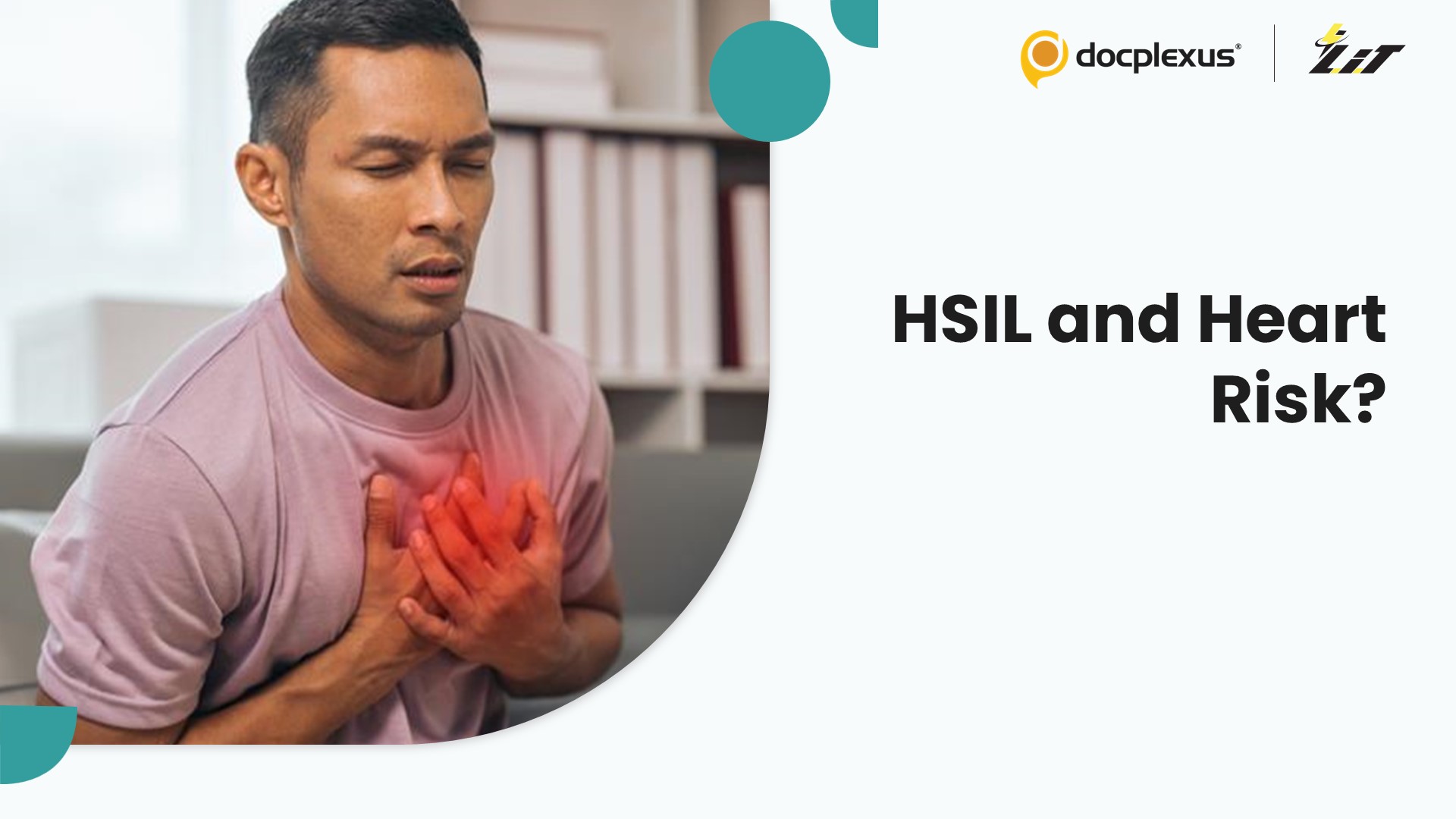
Cervical high-grade squamous intraepithelial lesions (HSIL), linked to human papillomavirus (HPV) infection, may contribute to systemic inflammation and vascular dysfunction, yet cardiovascular risk in affected young women remains poorly studied. To address this gap, a large cohort study evaluated cardiovascular risk and adverse outcomes among 29,960 women (mean age 23 years) with prior cervical HSIL compared with matched controls without HSIL.
The study found that adolescents and young adults (AYAs) with prior cervical HSIL had a significantly higher risk of cardiovascular disease compared with controls (hazard ratio (HR), 1.20), with particularly elevated risks for myocardial infarction (HR, 1.58), heart failure (HR, 1.38), and cerebrovascular disease (HR, 1.42). Family history further increased risk, and during follow-up, mortality was higher in the HSIL group (3.1% vs 2.1%), with…