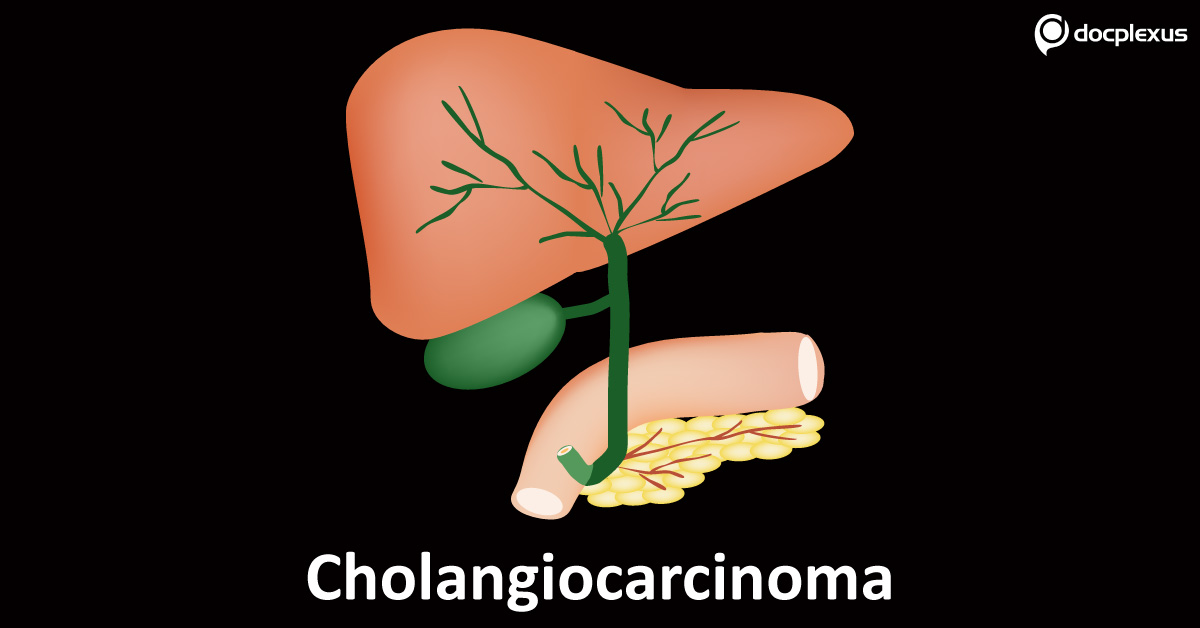
Liver flukes are parasitic flatworms that use the hepatobiliary system as a part of their lifecycle. Human infection with liver flukes is related to multiple bile duct disorders including bile duct cancers (Cholangiocarcinoma). This article gives the overview of liver fluke involvement in Cholangiocarcinoma and the pathology and diagnosis of this disease. Cholangiocarcinoma is a type of heterogeneous adenocarcinoma of cholangiocyte.
Cholangiocarcinoma is the second most common primary tumor that accounts for ~10-15% of all hepatobiliary malignancies. These tumors are characterized by i) intra- or extrahepatic bile duct origins, and ii) late diagnosis with fatal outcomes. The 5-year survival rate is extremely low (~10%). The most prominent signs and symptoms of Cholangiocarcinoma are: Jaundice Yellowing of Sclera Abdominal pain Abnormal LFT results Weight loss, fever, itching, change in…