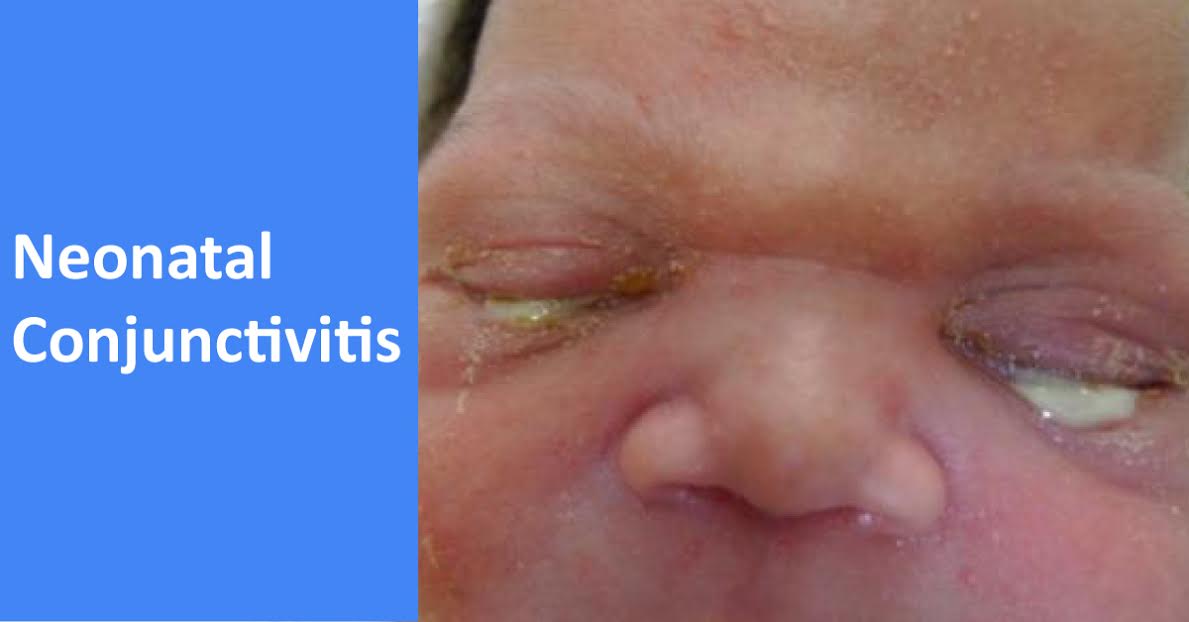
One of the most common infections occurring in the first month of life is neonatal conjunctivitis. Neonatal conjunctivitis leads to blindness in approximately 10,000 babies annually worldwide. The major causes include decreasing order, chemical inflammation, bacterial infection and viral infection. This article gives an update on this birth anomaly. Neonatal conjunctivitis is watery or purulent ocular drainage due to a chemical irritant or a pathogenic organism.
It may be aseptic or septic. Bacterial and viral infections are major causes of septic neonatal conjunctivitis, with Chlamydia being the most common infectious agent. Pathophysiology The organisms causing neonatal conjunctivitis are usually acquired from the infected birth canal of the mother, though some may acquire the infection from their immediate surroundings. The predisposing factors, which can increase the chance of the…