
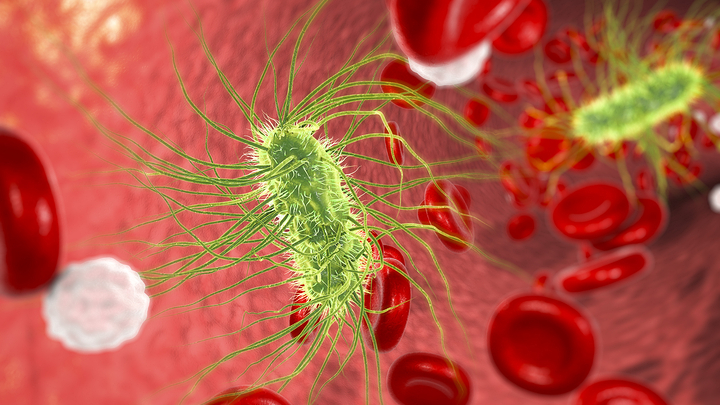
Neonatal sepsis is an invasive infection caused majorly by bacteria during the neonatal period. This condition is presented with a myriad of symptoms and requires immediate attention to prevent death and disability in neonates. This article provides a brief outline of this deadly disease and its management. Neonatal sepsis is broadly categorised into two major types namely early-onset and late-onset.
Early onset: Early onset sepsis is caused by transplacental infection or an ascending infection from the cervix may be caused by organisms that colonise the mother's genitourinary (GU) tract. The neonate acquires microorganisms from the mother as it passes through the colonised birth canal at delivery. The onset of disease occurs within 48 hours of birth. The microorganisms responsible for early-onset sepsis are: Group B Streptococcus (GBS) Escherichia coli Coagulase-negative…