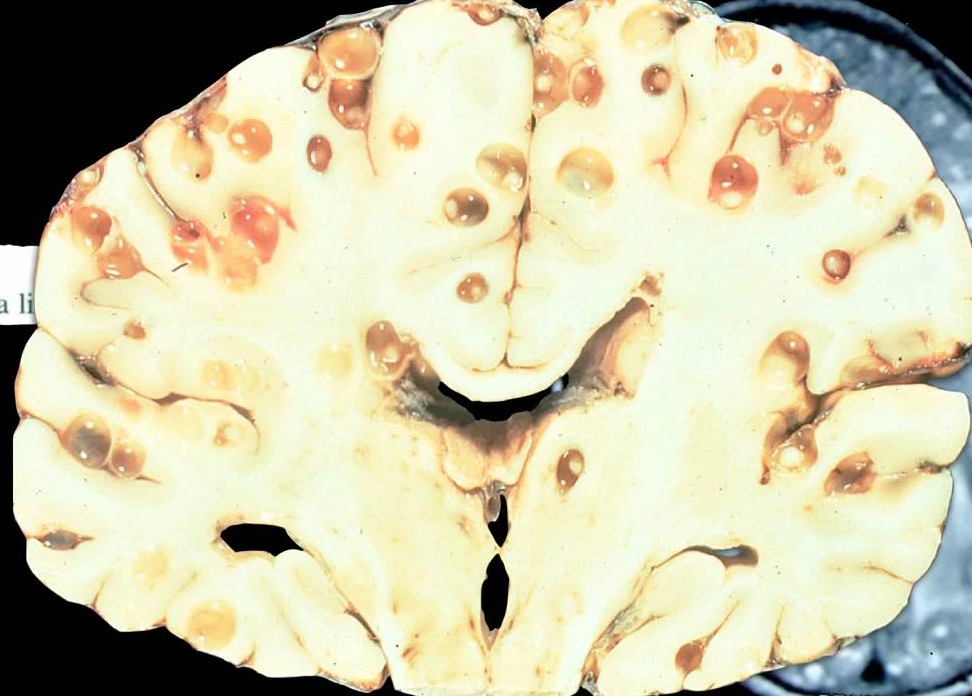
Taenia solium neurocysticercosis is a major cause of neurological morbidity in the world. The variability in the neuropathology and clinical presentation of neurocysticercosis often make it difficult to diagnose and manage.The management of neurocysticercosis can also be challenging as current treatment options are limited and involve symptomatic agents, antiparasitic agents, or surgery. Neurocysticercosis is the common helminthic infection of the nervous system that leads to acquired epilepsy.
The disease occurs when humans become intermediate hosts of Taenia solium by ingesting its eggs from contaminated food or, most often, directly from a Taenia carrier through fecal-to-oral route. Cysticerci may be located in brain parenchyma, subarachnoid space, ventricular system, or spinal cord, causing pathological changes that are responsible for the pleomorphism of neurocysticercosis.…