
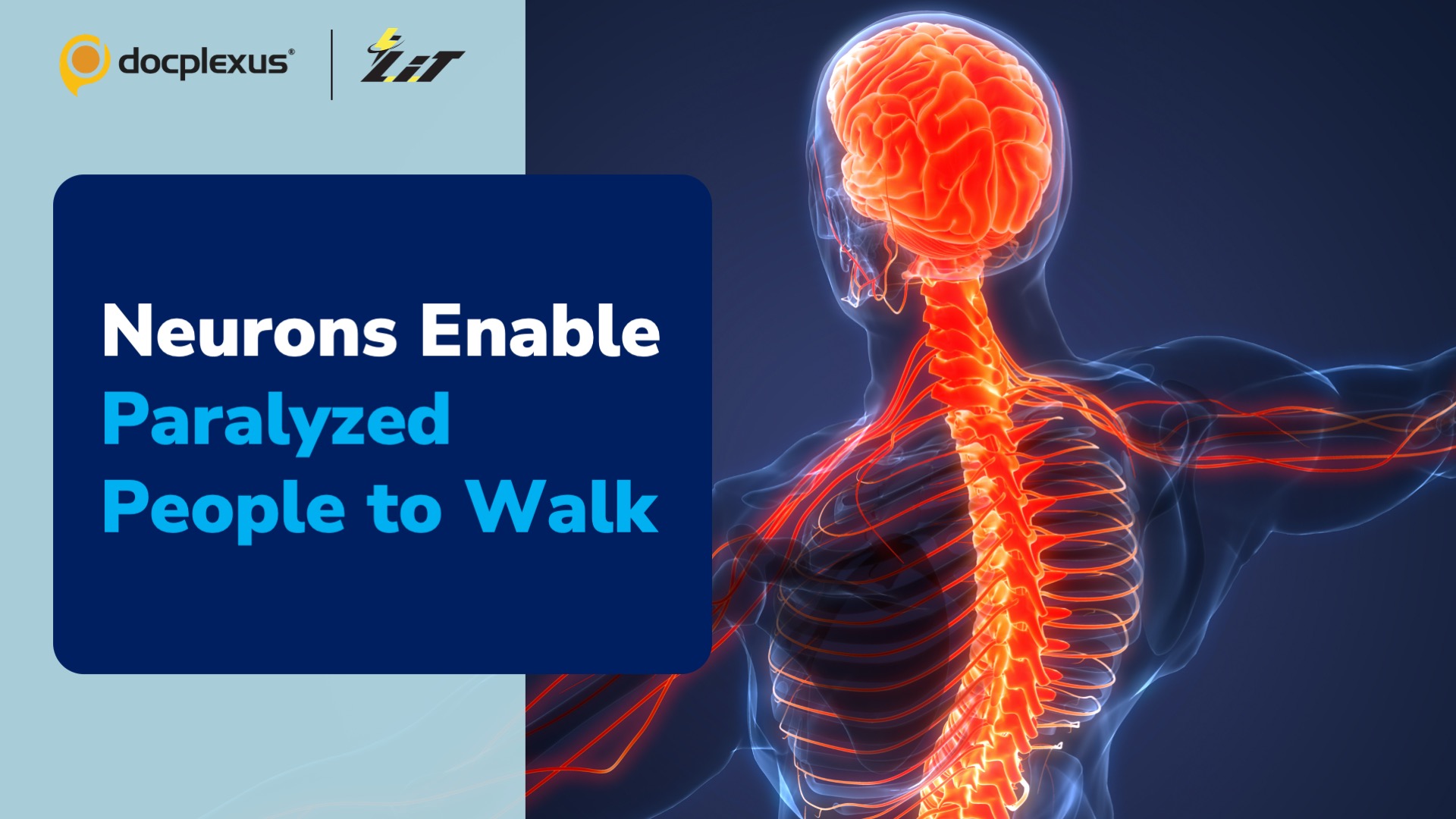
Epidural electrical stimulation (EES) of nonfunctional neurons in the spinal cord enables individuals with spinal cord injury (SCI) to walk . However, the biological mechanism behind the EES of neurons and remodeling of the lumbar spinal cord remained unknown until now. To understand the mechanism that can restore walking after SCI, researchers conducted a study to understand its benefits in nine individuals with SCI. Further, they explored its mechanism of action by conducting studies using mice as animal models.
Spatiotemporal EES applied 4-5 times/week through a surgically implanted neurostimulator enabled individuals with SCI to walk outdoors after undergoing five months of training. Further investigation in mice revealed an activity-dependent selection of neuronal subpopulation of SC Vsx2::Hoxa10 that expresses Vsx2 and Hoxa10, a marker of caudal spinal cord neurons. These…


