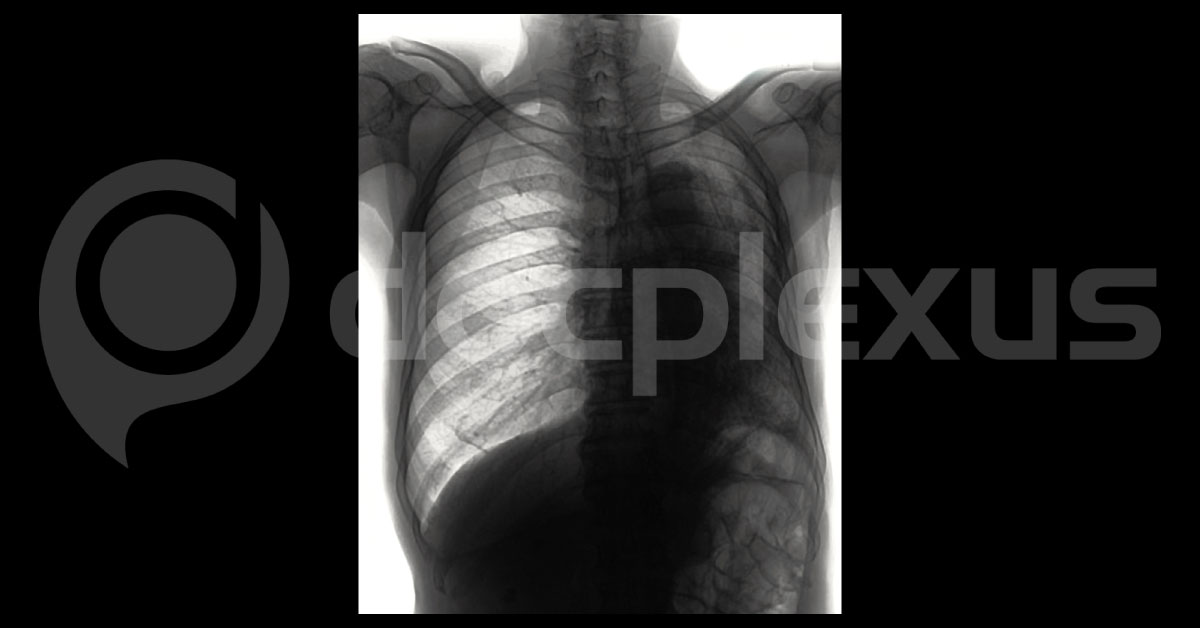
Lung cancer patients are particularly susceptible to malignant pleural effusion. Recently, researchers have discovered a novel mechanism that causes this to happen. Malignant pulmonary effusion (MPE) frequently occurs in patients with metastatic breast or lung cancer. It involves a build-up of excess fluid in the pleural cavity, the area between the lungs and the chest wall, with accompanying malignant cells.
The lung is surrounded by fluid, which can cause shortness of breath and chest pain that can be fatal. The mechanism behind pleural effusion So far, the development of suitable therapies for pleural effusion was difficult due to the unknown underlying cause. However, recent studies by scientists at Munich revealed that inflammatory messenger of the immune system-notable interleukin-1β- activate a signaling pathway in mutated cancer cells, which in the long term can lead to pleural…