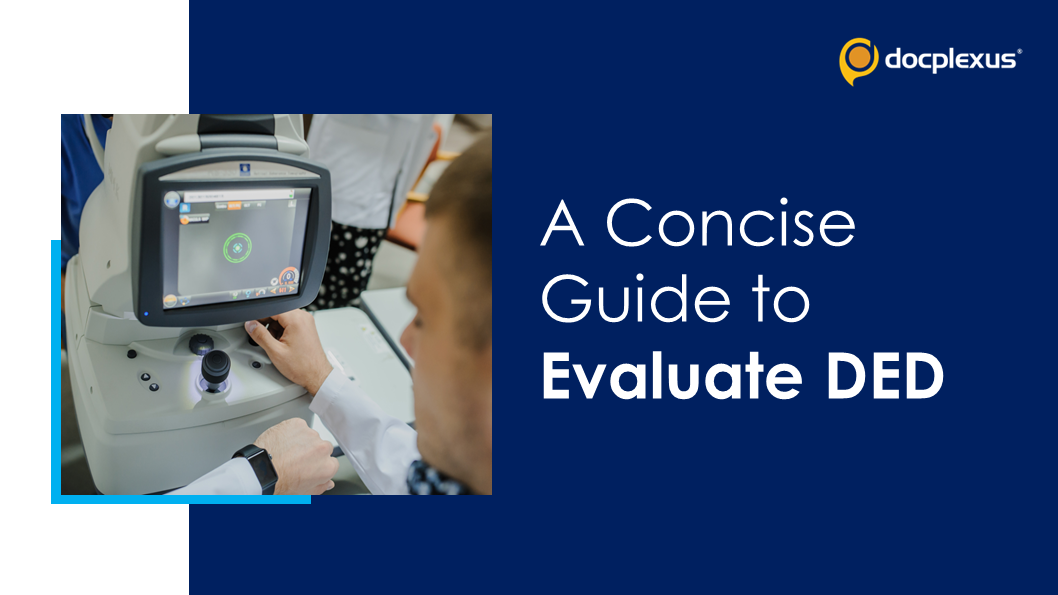
Dry eyes are more widespread now than ever due to the boom in technology and the prevalence of screen reading.1 There is no gold standard diagnosis protocol, and no one test is adequate for diagnosis due to the various causal components of the disease.2 Hence, improved diagnostic tools, such as more specific point-of-care tests and imaging tools, can effectively aid in diagnosing dry eye disease (DED). 1 This article discusses and evaluates recent developments in dry eye testing that could improve clinical diagnosis and therapy.
New Frontiers In Dry Eye Evaluation

Gayathri G
Medical Writer