
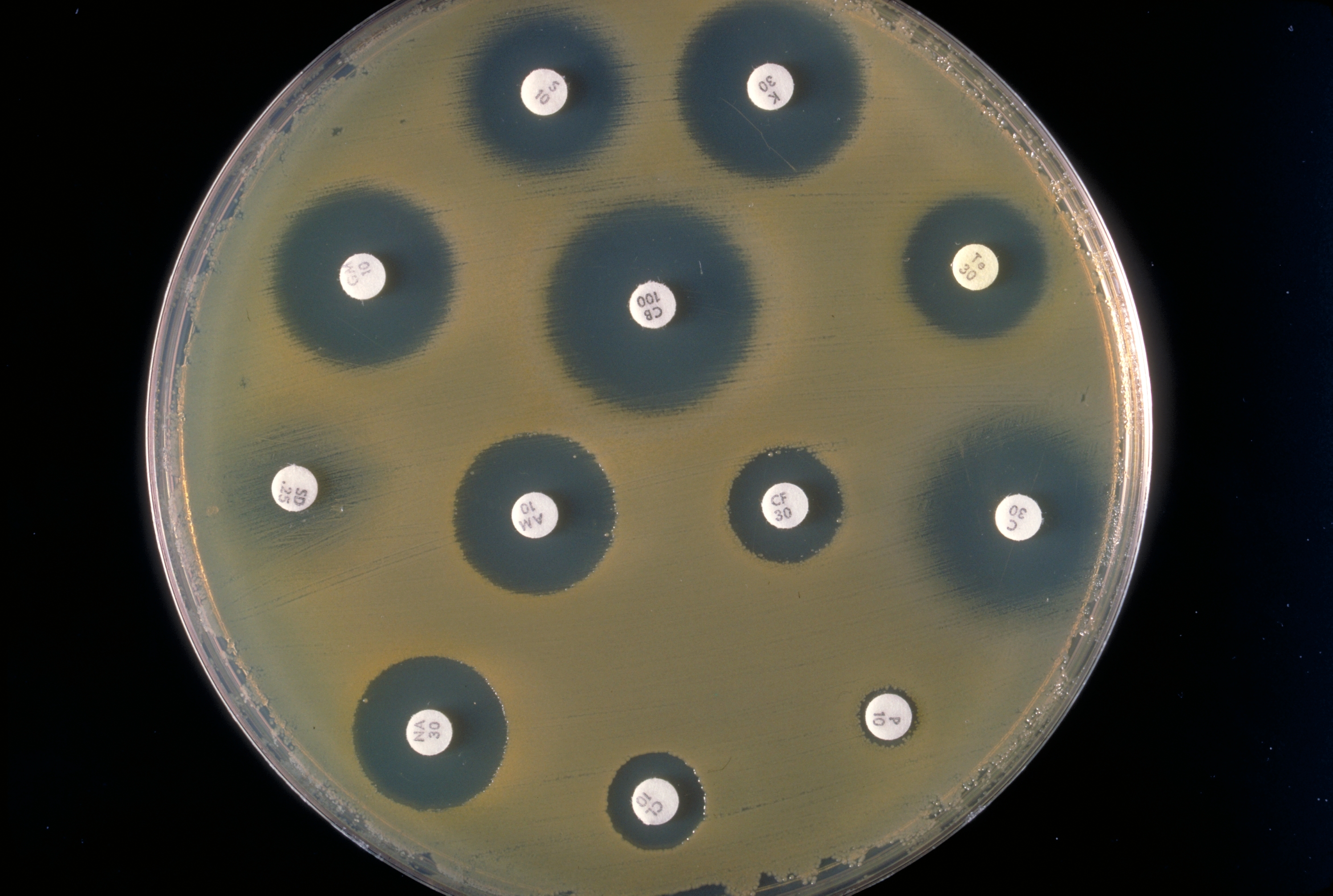
Researchers have linked antibiotic resistance to the dormant state of the pathogenic bacteria. The researchers have claimed that this procedure of resistance is different to that of other mechanisms such as pumping out the drugs or mutation of the target. The research group in the University of Exeter treated the bacterial culture with ampicillin. The result showed that 1.3% of the bacterial population was alive but not growing. The group termed these bacteria as “Sleeper cells”; technically called "viable but non-culturable cells (VBNC)".
These cells apparently seem to be killed by the antibiotics, but are live but dormant and can be re-activated anytime to cause further infection. These cells have unique fluorescence staining pattern that helps in identification. This staining technique is beneficial as standard techniques cannot distinguish sleeper cells from dead/ dying cells. This…