
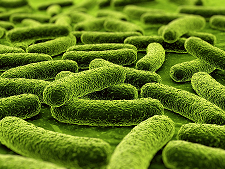
In a novel finding that not only promises to open up new therapeutic avenues to treat tuberculosis but also to overcome the problem of increasing drug-resistance, scientists have discovered that cholesterol levels in human cell membranes control the entry of Mycobacterium. Mycobacterium is a genus of Actinobacteria and consists of a wide variety of species, including the causative agents for TB and leprosy. According to World Health Organization’s 2014 report, an estimated nine million people developed TB in 2013 and 1.5 million people died of the disease globally. In India, the annual burden is estimated to be more than two million cases.
Cholesterol is an organic molecule that is essential for body’s functioning. It is biosynthesized and plays an important role in maintaining the integrity of the cell’s membrane. LDL (low-density lipoprotein) cholesterol has been implicated in…