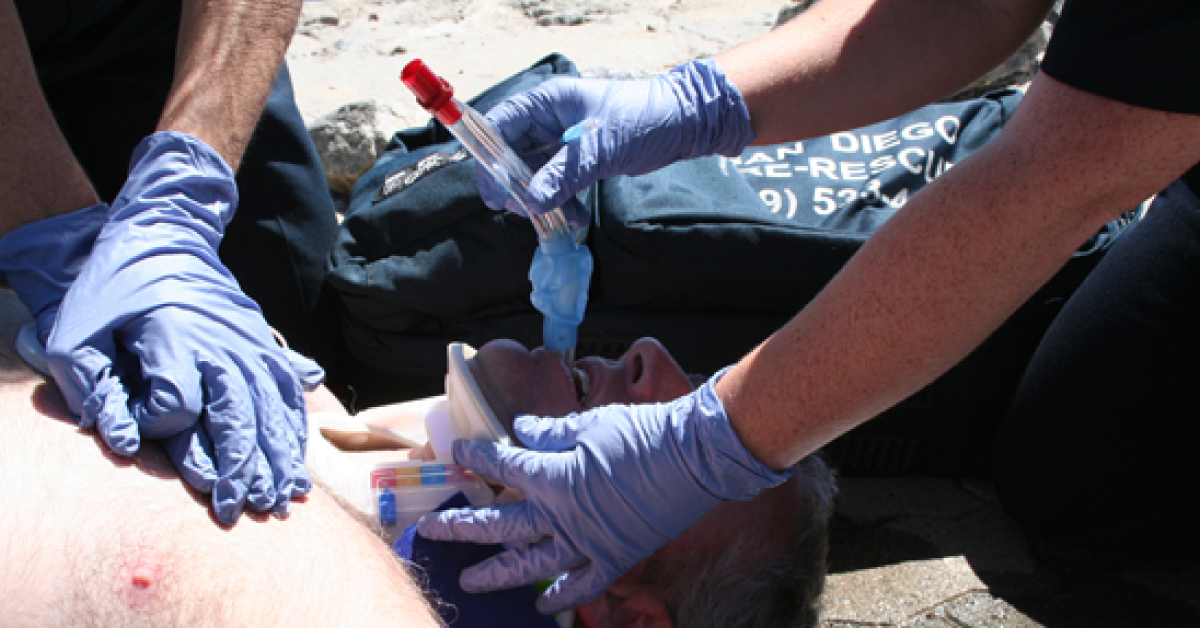
Anesthesiologists face challenges in practicing in locations beyond the operating room. New locations, inadequate monitoring devices, poor assisting staff, the unfamiliarity of procedures, insufficient knowledge of basic standards, and lack of experience compromise the quality of patient care. Therefore, anesthesiologists must recognize possible risk factors during anesthesia in nonoperating rooms and familiarize themselves with standards to improve safe practice.
Nonoperating room anesthesia (NORA) procedures are increasing due to technological developments in medical equipment, proficiency of proceduralists, and medically challenging patients. Common procedures include radiology, gastrointestinal imaging, diagnostic/therapeutic interventions, pediatric cardiac catheterization, psychiatric treatment, and dentistry. Anesthesiologists are frequently asked to provide NORA in these remote…