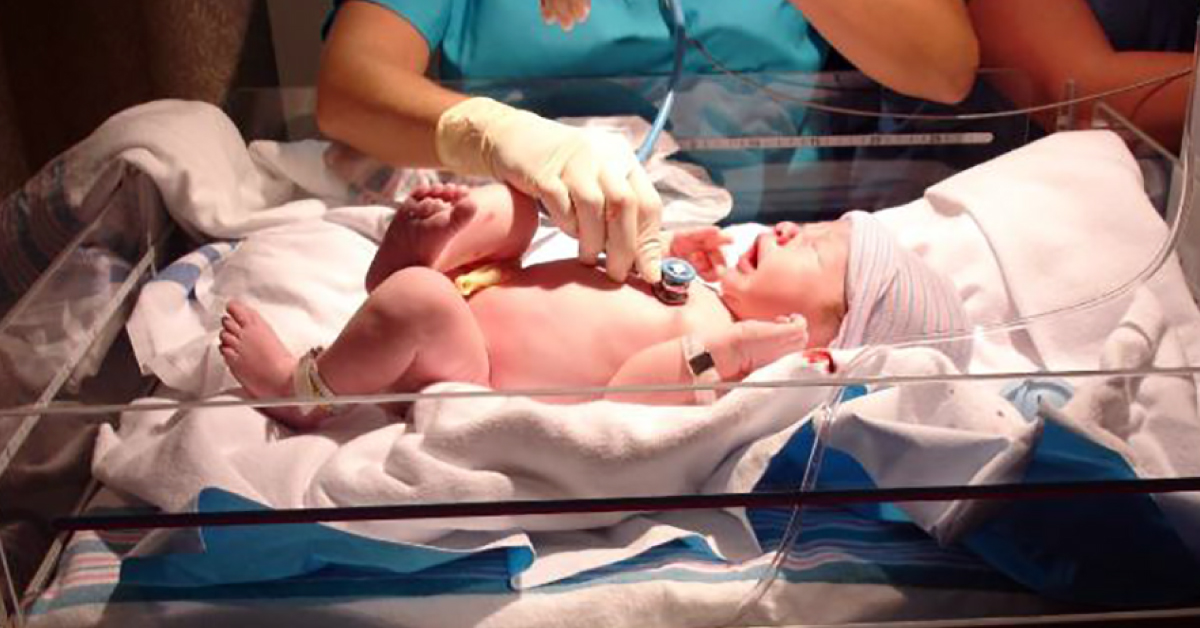
Nosocomial infections are those that occur beyond 48 hours after birth and are caused by pathogens that are not maternally derived. Such infections are 100 times more common than early-onset bacterial infections, which are caused by pathogens acquired in utero or perinatally. Improvements in antenatal management and neonatal intensive care over the past 10 to 15 years have changed the prognosis for preterm infants.
The population of extremely low-birth weight (ELBW) infants who remain hospitalized for extended periods of time (and who undergo numerous invasive procedures) is most susceptible to nosocomial infections. Nosocomial infections increase the costs of neonatal intensive care, prolong hospitalization by several weeks, and are responsible for almost 50% of the deaths that occur beyond 2 weeks of age. Although the epidemiology of neonatal nosocomial infections is complex, both…