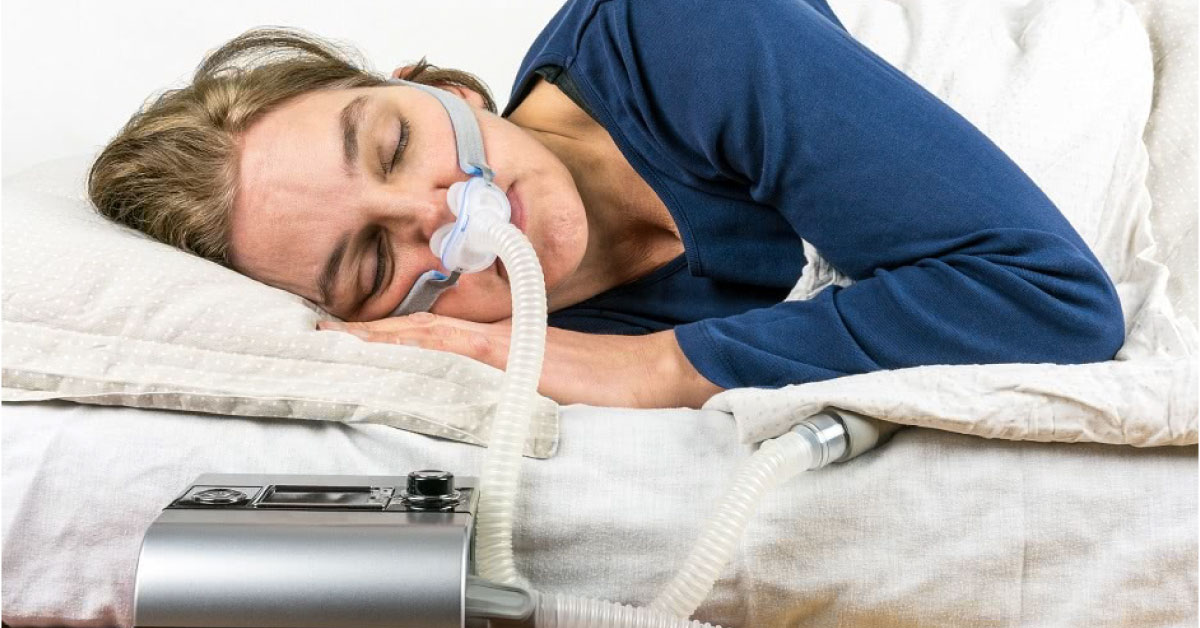
It is an obstructive breathing disorder that occurs during sleep. Characterised by intermittent upper airway obstruction due to dysfunction in the muscles and soft tissues of the upper airway or from obstruction resulting from tonsillar hypertrophy. Most commonly OSA is diagnosed by history from an observer who witnessed periods of Apnoea. In children, common day-time symptoms of OSA include hyperactivity, failure to thrive, poor school performance and behavioural problems. Apnoea Hypopnea Index: Is the number of Apneic and hypopneic episodes per hour of sleep.
It estimates the severity of OSA. Perioperative Adverse Respiratory Events: Include laryngospasm, bronchospasm, breath holding, oxygen desaturation and severe cough. Children with proven OSA by polysomnography have been shown to have a 27% incidence of major respiratory compromise requiring intervention. Obstructive sleep…