Pediatric patients present unique anatomic, physiologic and pharmacologic considerations for the management of anesthesia in the presence of diseases that occur exclusively or with increased frequency in this age group. The current article highlights some of these major anatomical and physiological considerations. ANATOMICAL DIFFERENCES Differences in airway anatomy make the potential for technical airway difficulties greater in infants than in teenagers or adults.
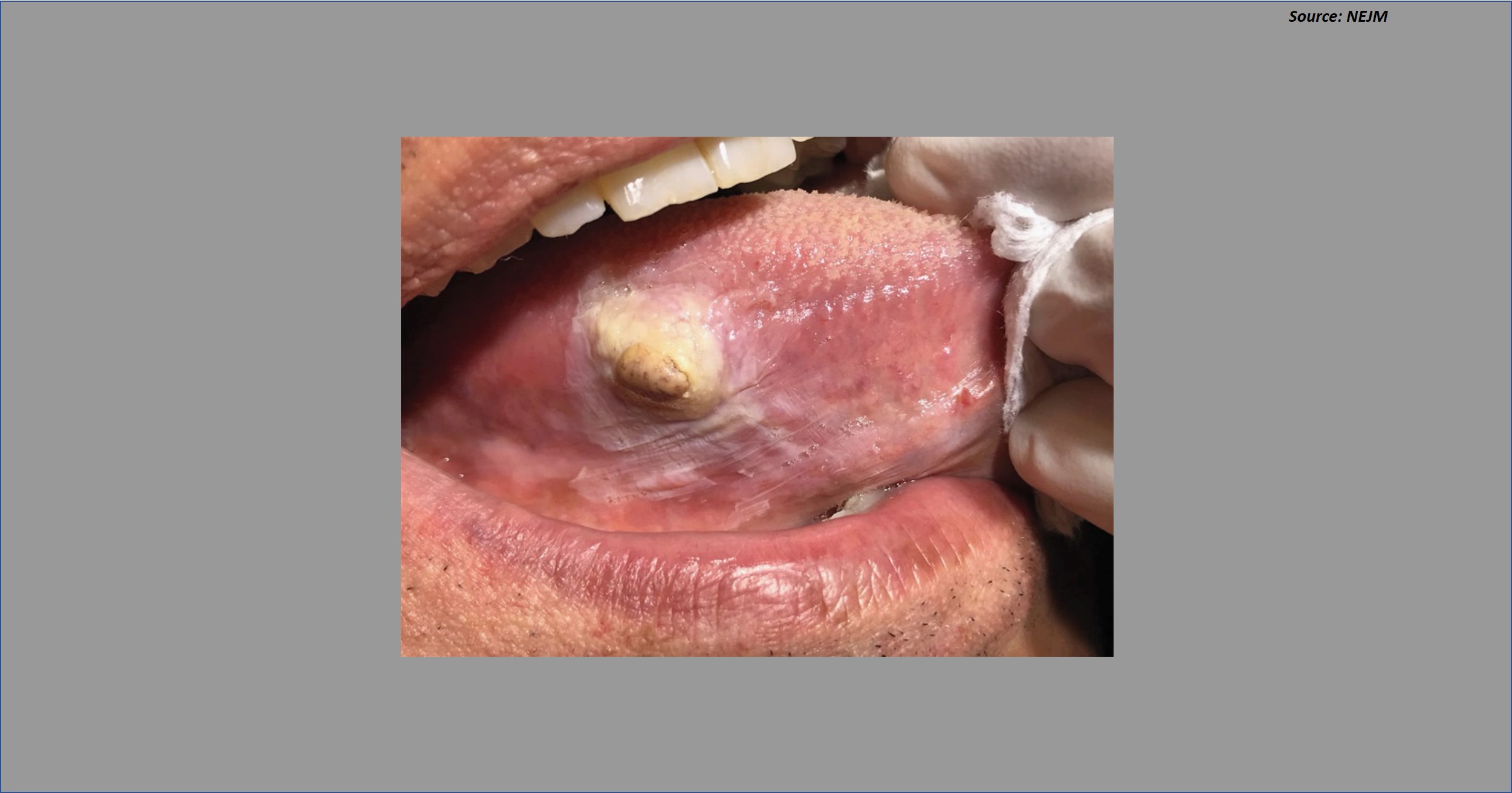
The airway of infants differs in five ways: The relatively large size of the infants’ tongue in relation to oropharynx increases the likelihood of airway obstruction and technical difficulties during laryngoscopy. The larynx is located higher in the neck (at a level of C4 versus C6 in adults) thus making straight blades more useful than curved blades. The epiglottis is shaped differently, being short and stubby and is angled…