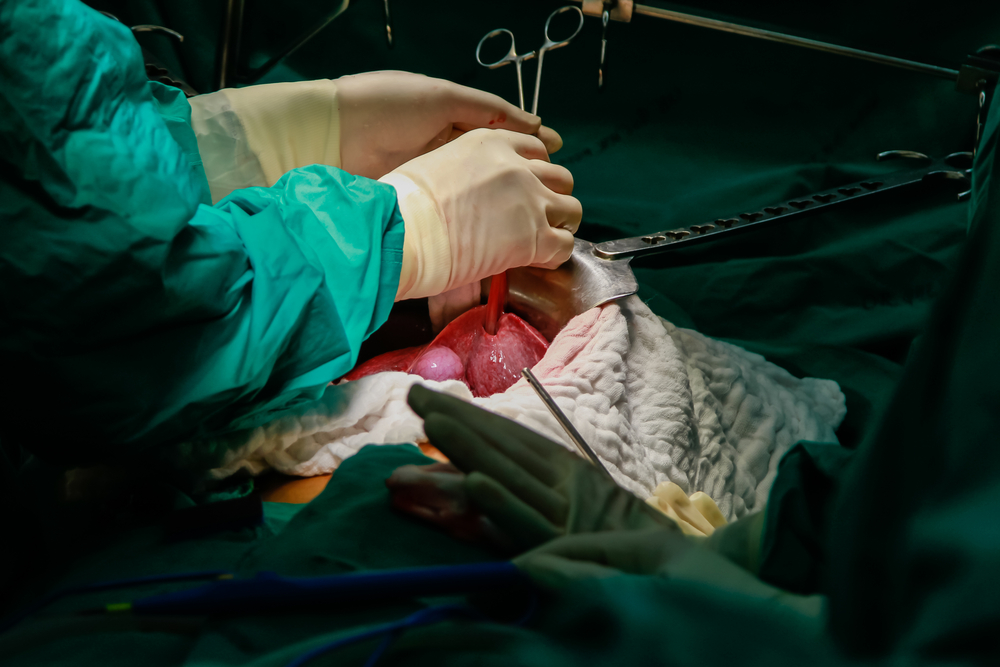
Liver transplantation is a life-saving procedure for the treatment of many end-stage liver diseases. The success of this procedure may be limited by infectious complications. This article highlights the state of infectious complications during the postoperative period that occurs most commonly during the first six months of liver transplantation. In spite of the advances in the liver transplantation, morbidity and mortality due to infectious complications remain major problems.
It is estimated that up to 80% of liver recipients will develop at least one infection during the first year after transplantation and while most are successfully treated, some result in death. Mostly, infection is the most frequent cause of death following liver transplantation. Bacteria, and less commonly Candida infections, remain the predominant pathogens during the immediate post-operative period. Surgical…