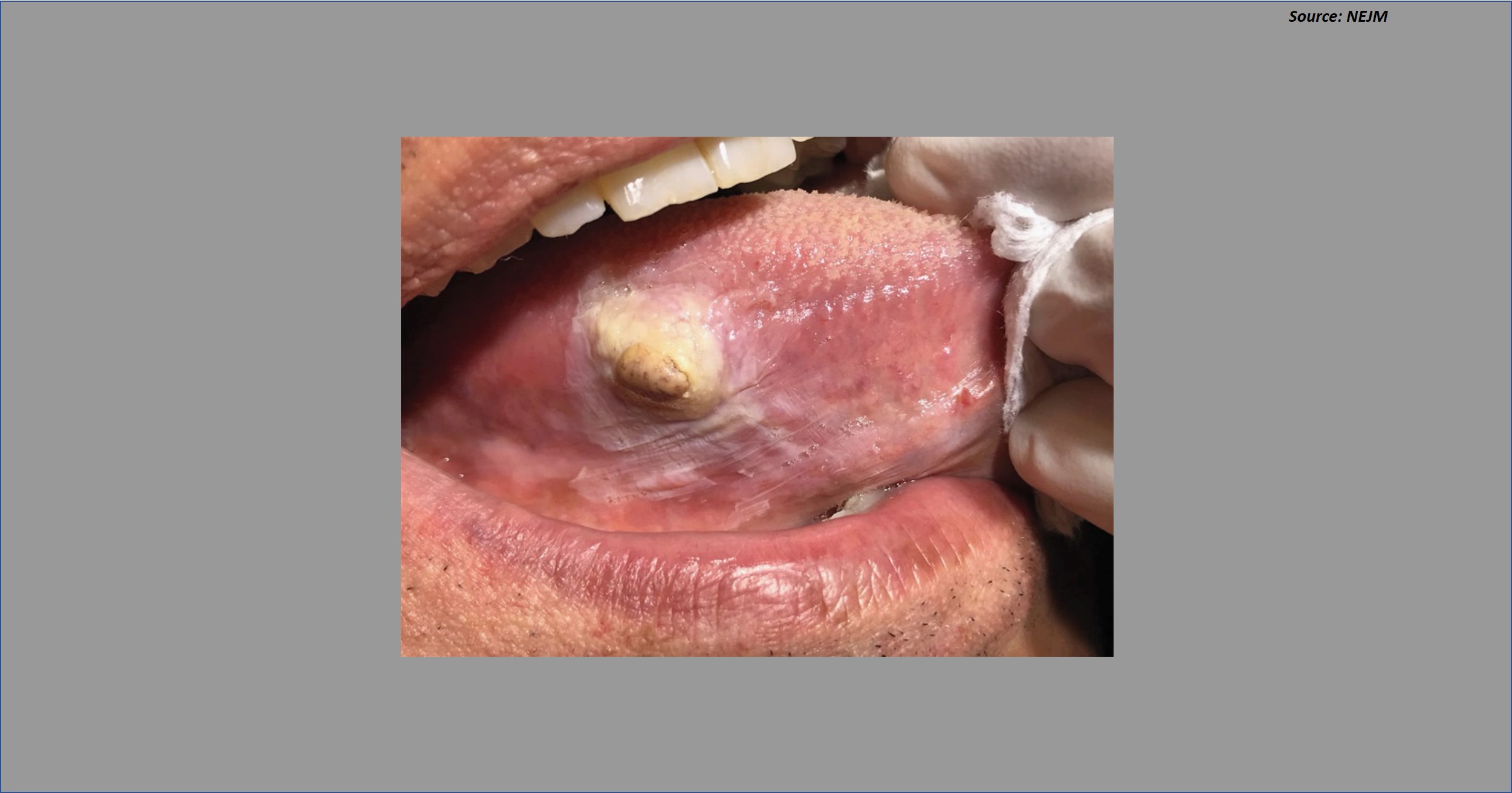

Post transplant lymphoproliferative disorders (PTLDs) are a group of diseases that range from benign polyclonal to malignant monoclonal lymphoid proliferations. They arise secondary to treatment with immuno suppressive drugs given to prevent transplant rejection. The current article features on these proliferative disorders with respect to clinical presentation, classification and pathogenesis.
PTLDs develop as a consequence of immunosuppression and are characterised by the following: They are usually derived from B cells with a preferential presentation as non-Hodgkin’s lymphoma (as against Hodgkin’s lymphoma). Usually, originate in extra nodal sites, rarely affect the skin, behave aggressively, and frequently harbour the Epstein-Barr virus (EBV) genome. The role of EBV has been studied in depth, and the virus is thought to play a central role in driving the proliferation of…