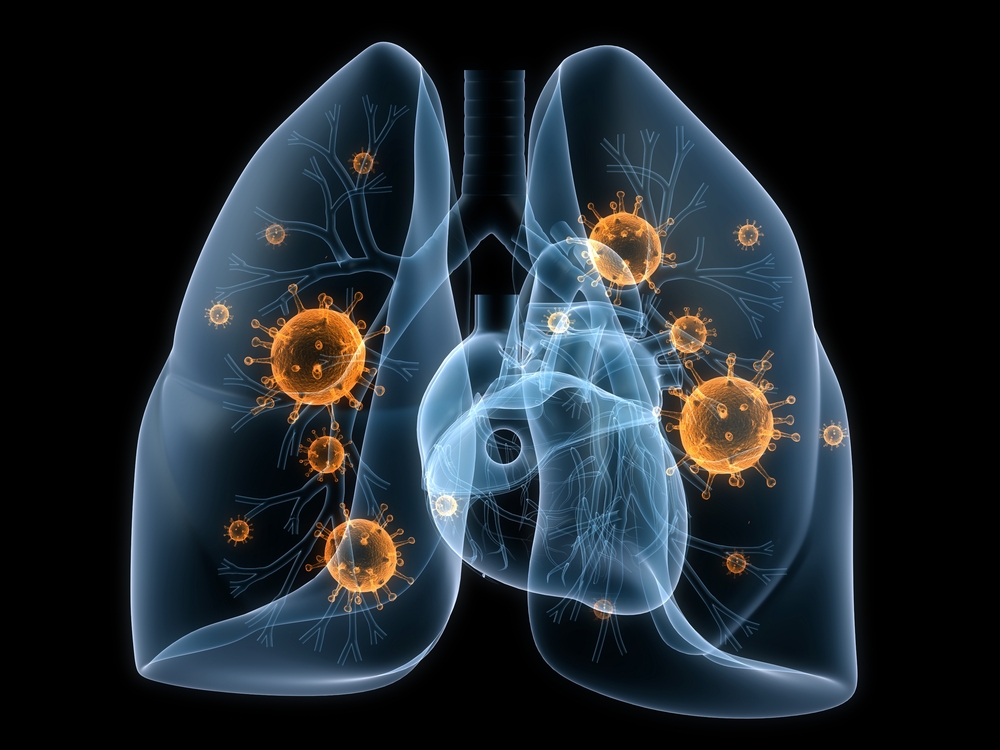
Pulmonary eosinophilia comprises a heterogeneous group of diseases that, except for the eosinophilia aspect, have nothing in common. The term "eosinophilia" is somewhat inaccurate since the infiltrate is typically composed of macrophages, lymphocytes, neutrophils, and eosinophils. Lung injury typically results from all of these cells rather than from the eosinophils alone. However, eosinophilia is an important marker for diagnosis and treatment.
Pulmonary diseases associated with tissue and/or blood eosinophilia are a heterogeneous group of disorders. Inhaled or ingested extrinsic factors, including medications and infectious agents (parasites, fungi, mycobacteria), may trigger an eosinophilic immune response. Eosinophilia and pulmonary infiltrates have been reported in patients with AIDS, lymphoma, a variety of inflammatory lung diseases, and collagen vascular diseases. Etiology The…