
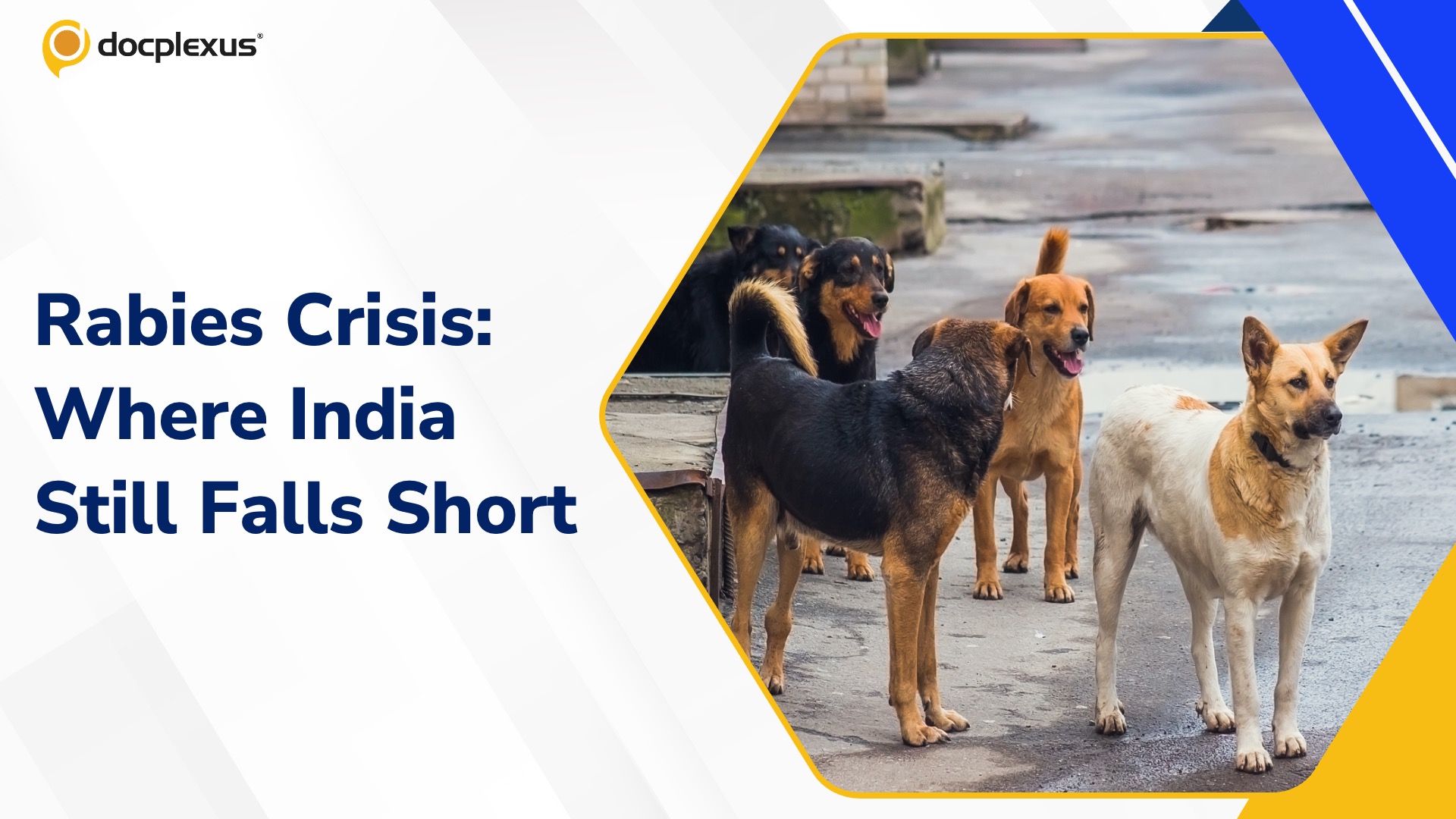
India accounts for over one-third of global rabies deaths, with 18,000–20,000 lives lost each year, nearly half in children under 15. Despite the availability of effective vaccines and rabies immunoglobulin (RIG), people continue to die because treatment starts too late, wounds aren’t cleaned properly, or lifesaving supplies are missing. Even after vaccination, deaths are reported when the virus outpaces the immune response. Delay in the first dose, inadequate wound irrigation, or absence of RIG in severe bites can all compromise outcomes.
Vaccine failures are rarely due to the product itself but more often linked to cold-chain lapses, wrong-site injections, or patient factors. Children and immunocompromised patients are especially vulnerable, since delayed reporting and rarely monitored antibody titers leave them unprotected when they need it most. RIG remains the weakest link in…

