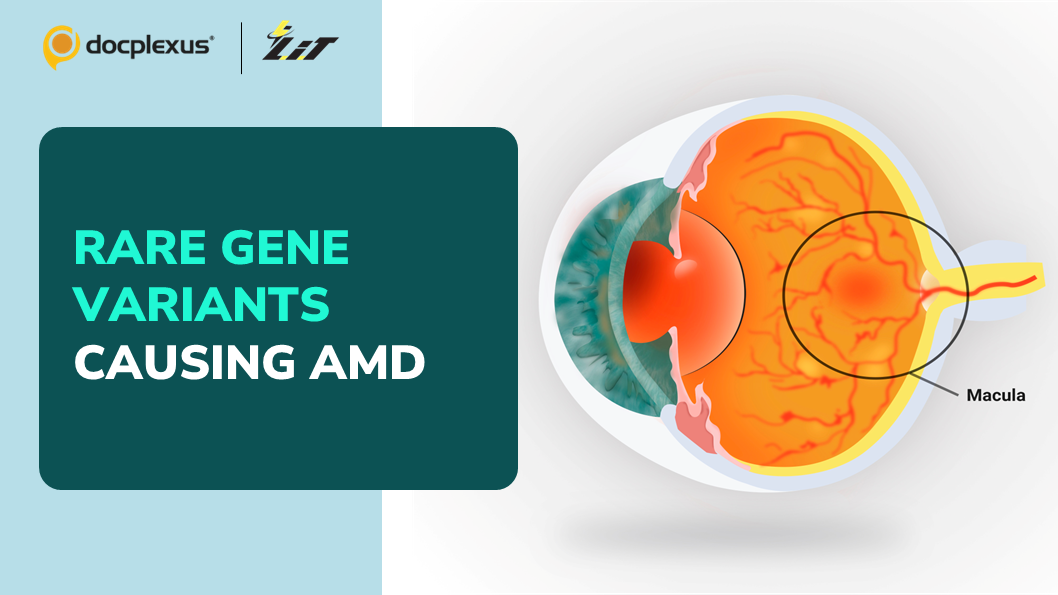
Age-related macular degeneration (AMD) causes vision loss in the geriatric population and constitutes 7–9% of blindness globally. There are many known genetic variants that contribute to the risk of getting AMD. Of these, only a few have pointed toward protein alterations. Currently, there is no treatment available for AMD; however, by understanding AMD pathophysiology, designing treatment for targeting rare variants will be possible.
A new study by the National Eye Institute (NIH) has identified rare genetic variants that may drive a chronic inflammatory response in the retina, leading to AMD. The study looked at four families carrying very rare AMD-causing variants and found that individuals with AMD had mutations in two proteins that form one end of the membrane attack complex (MAC). These include the C8-alpha and C8-beta. The variants affected the ability of the C8 proteins to stick…