
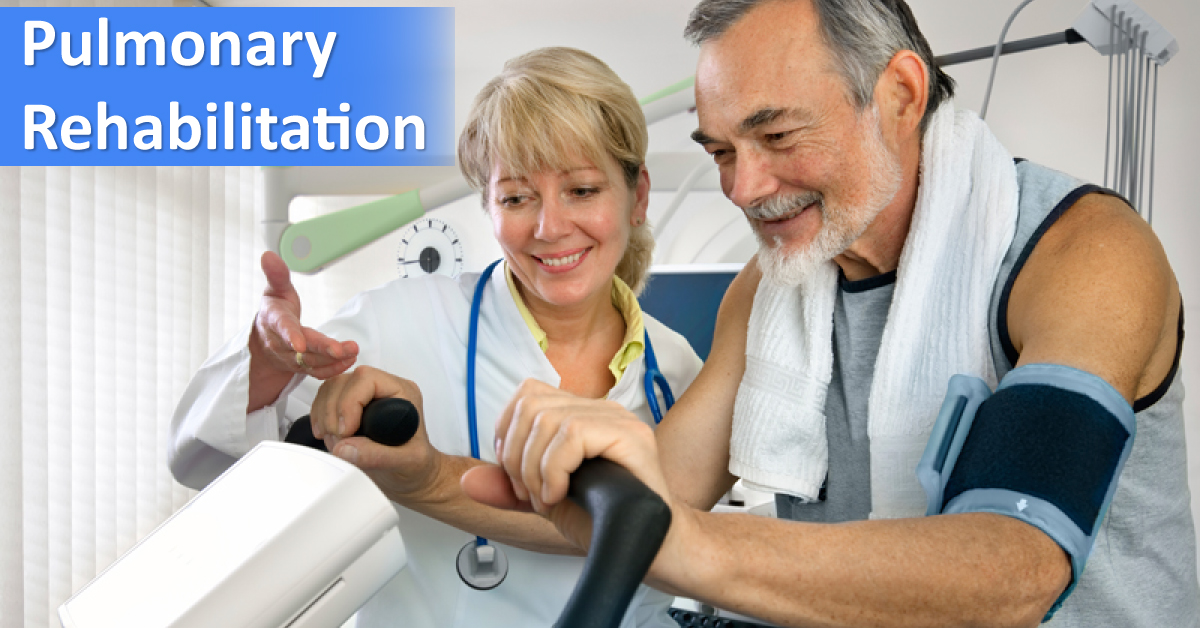
Often patients with pulmonary hypertension are advised to limit their physical activity because of the risk of fatal cardiovascular compromise. However, the complications and advantages of exercise for patients with PH are yet unclear. This article discusses the effects and safety of pulmonary rehabilitation in pulmonary hypertension based on findings of a recent literature review.
Pulmonary Hypertension (PH) is a hemodynamic and pathophysiologic condition defined as an increase in the mean pulmonary artery pressure (PAP) to ≥25 mmHg at rest, as assessed with right heart catheterization. According to the values of pulmonary artery wedge pressure (PAWP), PH is defined as either precapillary (PAWP ≤15 mmHg) or post-capillary (PAWP >15 mmHg). According to the clinical presentation, pathological findings, hemodynamic characteristics, and treatment strategy for the multiple clinical…