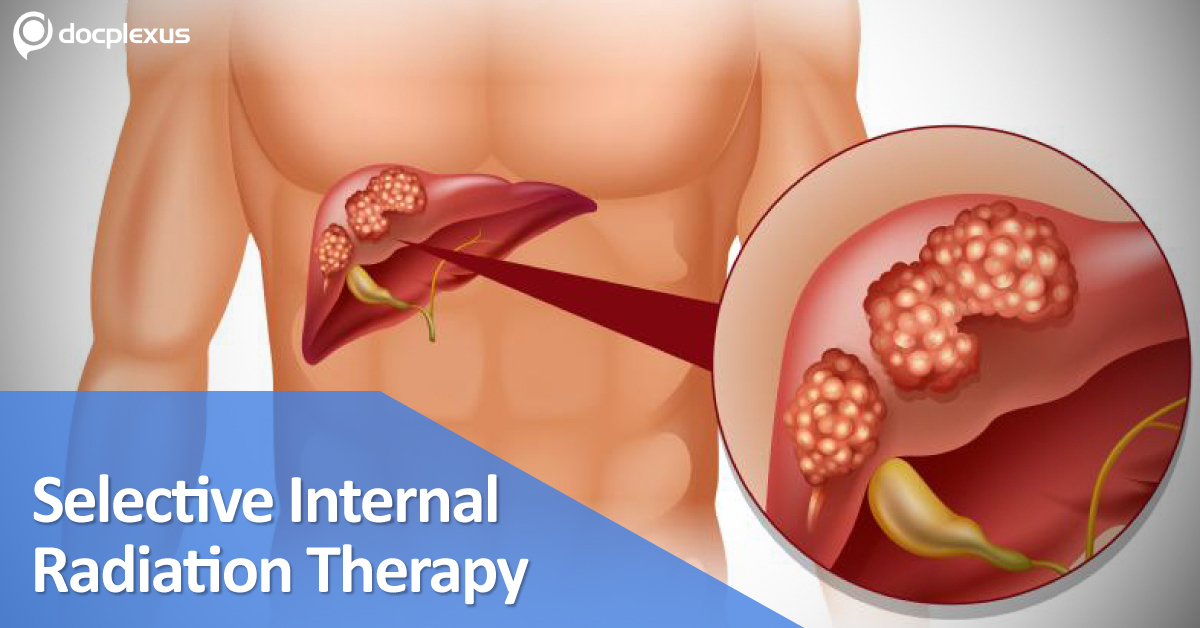
Intrahepatic cholangiocarcinoma is a rare type of primary liver cancer originating in the bile ducts. The choice of treatment depends on several factors, including the exact location and stage of cancer, and the patient's liver function. Cholangiocarcinoma is not usually diagnosed before the symptoms of biliary obstruction occur, by which time cancer may be too advanced for curative surgical resection. Occasionally, surgical removal with curative intent may be possible.
The standard options for palliative treatment include chemotherapy, surgical bypass of the bile duct or the insertion of a stent using surgical, endoscopic or percutaneous techniques. Selective internal radiation therapy (SIRT) is a form of radiation therapy used in interventional radiology to treat cancer. It is generally for selected patients with surgically unresectable cancers, especially hepatic cell carcinoma or…