
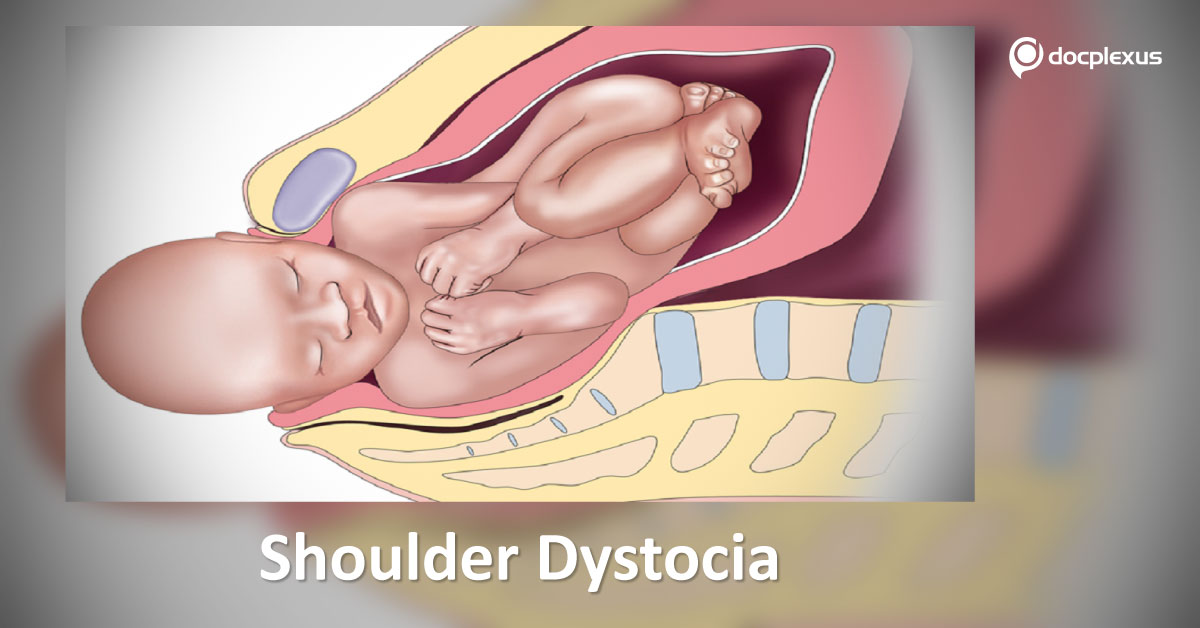
Shoulder dystocia is a complication of cephalic vaginal deliveries during which the fetal shoulders do not deliver after the head has emerged from the mother’s introitus. It can result in significant fetal and maternal harm if not resolved properly. This article briefly discusses this obstetric complication and its management. Shoulder dystocia mostly occurs because of a relative size or positional discrepancy between the fetal and pelvic bony dimensions.
it usually occurs in women undergoing cephalic vaginal delivery after 34 weeks of gestation. Risk factors Women with certain comorbidities may be more at risk for having babies with shoulder dystocia than others. These include: Diabetes and gestational diabetes History of having a baby with large birth weight, or macrosomia Induced labor Obesity History of operative vaginal birth Being pregnant with multiple babies However, many women…